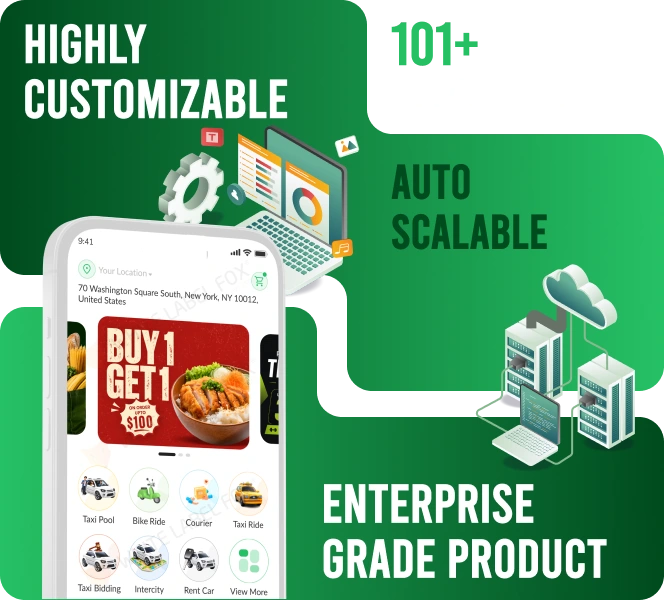
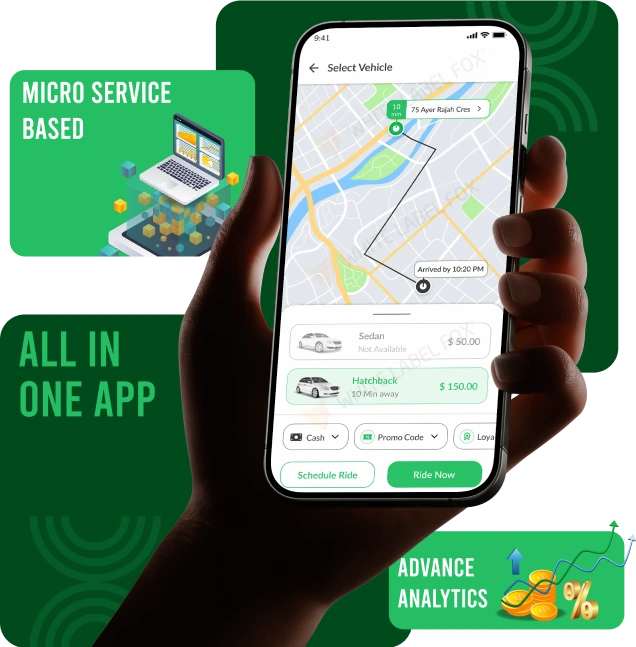
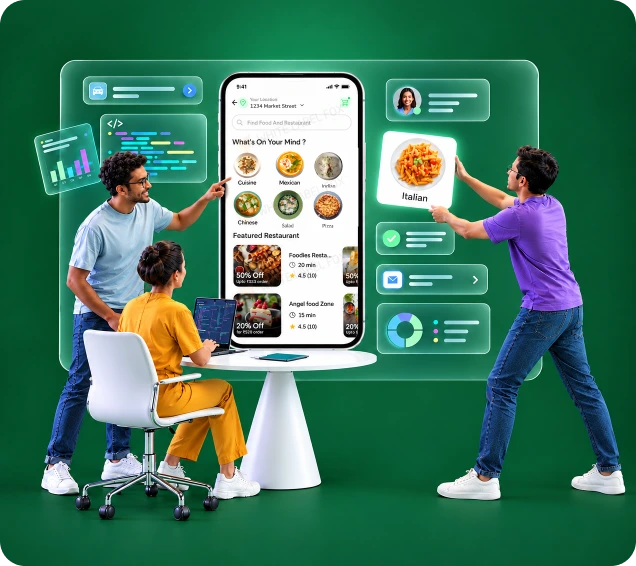
An enterprise-grade multi-service platform that launches under your brand, not ours. 101+ services are already built and working across transport, delivery, handyman and video consultation, and you can add more services without rebuilding what already runs.
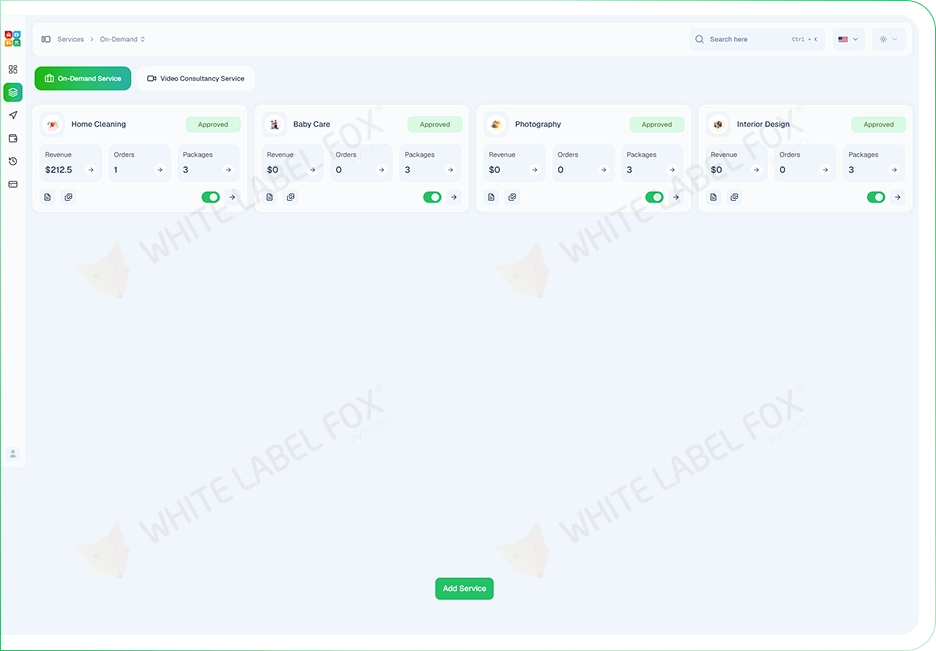
A Gojek clone app is a finished multi-service platform that you brand as your own and launch instead of building from scratch. Four businesses run inside it: transport, delivery, on-demand services and video consultation,with 101+ services working on day one and no cap on what you add later. If your region does not have its own super app yet, that is the opening, and nothing here is waiting on development.
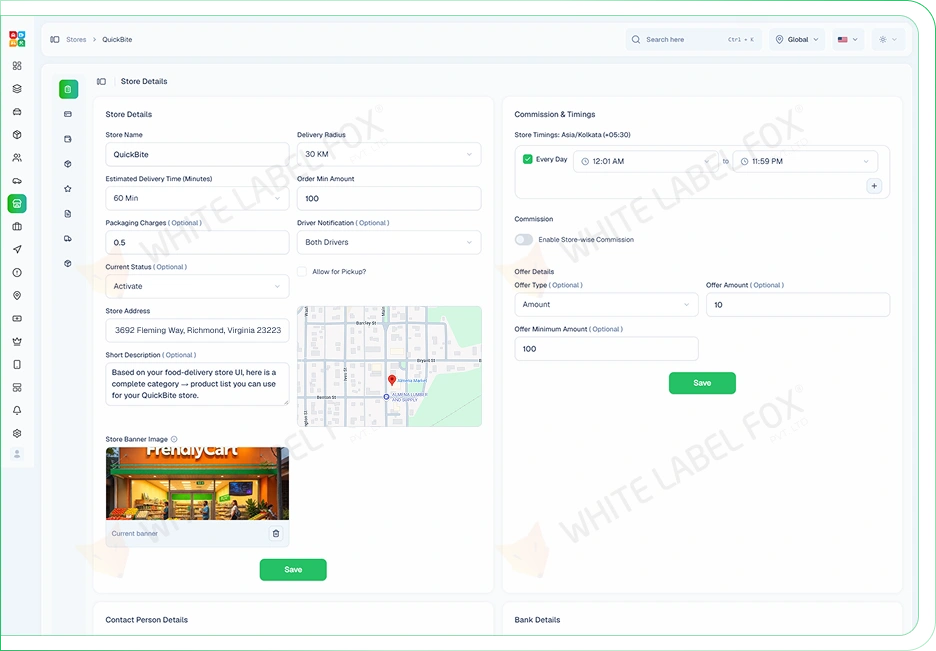
Each service works the way that business already works offline. A store sets packaging charges and prep time. A handyman adds a charge when the job runs bigger. A driver logs a street pickup. Add a new service and its workflow arrives with it.
Baby Care
Pet Care
Workout
Security
Maid Service
AC Repair
Car Wash
Car Repair
Electricians
Carpenter
Tour Guide
Carpet Cleaner
Sofa Repair
Catering
Real Estate Agent
Computer Repair
Physio Therapy
DJ Guide
Photo graphy
Fire Fighter
Mobile Technician
Mechanic
Home Painting
Locksmith
Insurance Agent
Lawyer Service
Interior Design
Language Translator
TV Repair
Four apps ship together: customer, driver, store and provider. Every feature listed below is already built and working, not sitting on a roadmap.
The platform is already built, so nothing here waits on development. The sooner the market is chosen, the sooner the first order goes through the app.
Ask A Question
The business owner sees every ride, order, driver and payout in one place, and sets the rules everything else follows.
Every part of the stack is on a current, actively supported version, with no legacy framework holding the build back.
Terraform
Docker
Valkey
Cloudflare
Laravel
PHP
PostgreSQL
MongoDB
100MS
Image Intervention
Firebase
Google Map
React JS
Node JS
Typescript
Tailwind CSS
Tanstack Query
Radix UI
Shad CDN
Zustand
Zod
React Hook Form
Auth.JS
GSAP
Axios
Turbo Repo
Flutter
Dart
Android
IOS
Firebase
Melos
Redux
PHP Unit
Playwright
ES Lint
Maestro
Three routes lead to a multi-service app: build from scratch, buy a low-cost script, or start from a finished platform. The difference is the foundation, not the feature list.
| Factor | White Label Fox | Low-Cost Clone Script | Custom Build |
|---|---|---|---|
| Architecture | Microservices. Each service updates, fails or scales on its own. | Typically one large codebase, where every change affects everything. | Achievable, if the budget and the engineering team are there. |
| Deployment | Docker containers. Test and production behave identically, every time. | Manual server setup, with migrations usually billed as support. | Your team's decision, built and maintained at your own cost. |
| Speed And Security | Cloudflare serves every page nearby and filters attacks before your servers. | Shared hosting is common. CDN and firewall are usually extra. | Yours to configure, yours to pay for, yours to maintain. |
| Updates | One service at a time. Customers keep booking through every update. | Full redeploy, with a maintenance window while it runs. | Depends entirely on how your team chose to build it. |
| Hosting And Data | Your own servers. Customer data, payments and database stay in your account. | Often shared tenancy on the vendor's own infrastructure. | Fully yours, once you have built and staffed the infrastructure. |
| Scaling Up | New cities, services or volume are a setting, not a rebuild. | Growth usually requires a rewrite on a different platform. | Scales as far as the original architecture was designed to. |
| Time To Launch | Five days. Branding, configuration and deployment on a finished platform. | Fast to launch, slower to reach production readiness. | Eight to twelve months before the first order goes through. |
Turn Every Service In Your App Into Its Own Revenue Stream With A Gojek Clone Built To Scale
Get Live Demo Now!
Six revenue streams are built into the platform. Every one is switched on, priced and controlled from the admin Dashboard, per region.
A cut of every ride, booking & consultation, with rates set per service and per region.
Delivery charges, on-site extras & tolls, all added on top of the commission.
Put driver/provider on monthly plans & turn unpredictable commission into fixed income.
Sell spotlight placement at the top of the customer app, by the week or the month.
Banner space on the home screen and inside every category, sold without touching the app.
Fare rise automatically when demand outruns supply, with your own trigger point & ceiling.
Four apps on Android and iOS, plus seven web panels. Fifteen deliverables in total, every one of them included and working on day one.
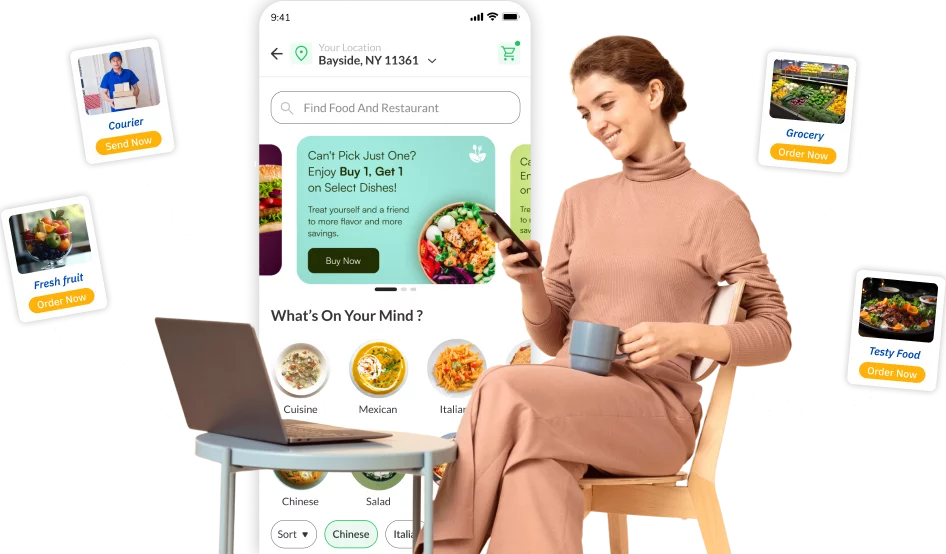
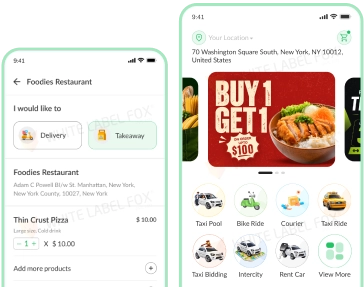
Customers book any service from one account, track it live on a map, and pay by cash, card or wallet.
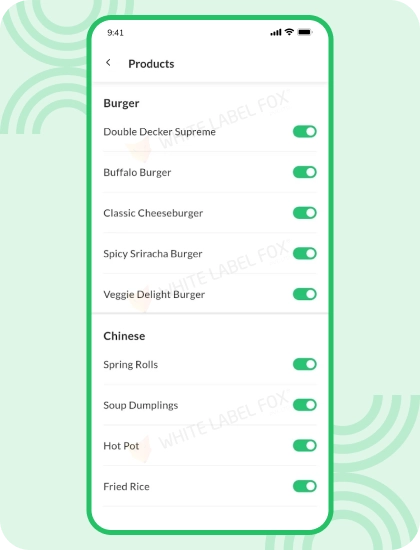
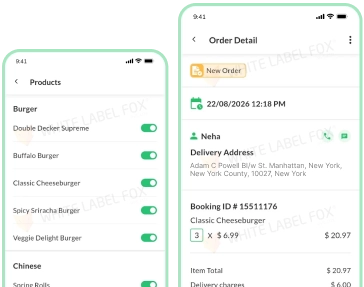
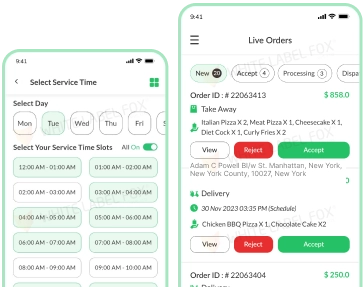
Restaurants and shops manage their catalog, accept orders, set delivery rules and track earnings from their phone.
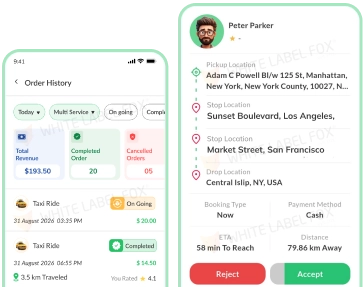
Drivers go online, take rides and deliveries across services on one profile, navigate to each job and cash out.
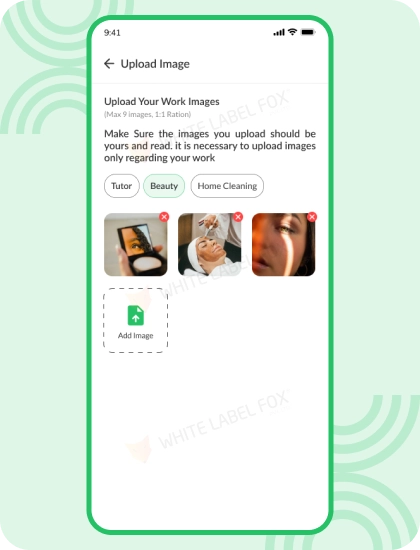
Handymen and consultants set their services, pricing, radius and hours, then accept bookings and run video calls.
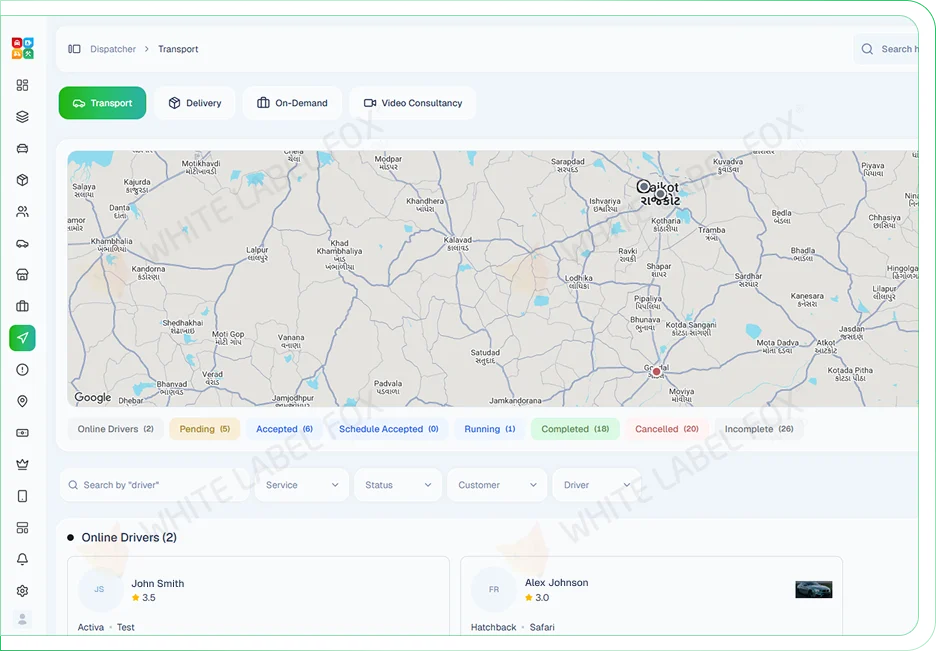
Every ride, order, driver, store and payout in one place, with commission rates, fares and service rules configured per region. Seven web panels are included.
Five days sounds impossible because most vendors are still building. Nothing here is being built. These five days are branding, configuration and launch.
An NDA is signed, a dedicated project manager is assigned, and your brand assets and market requirements are collected.
Your logo, colors, app name and store listings are applied across all four apps and the admin dashboard.
Services, business regions, fares and commission rates are configured for your market, and your local payment gateway is integrated.
Servers are configured, both apps are submitted to Google Play and the App Store, and full ownersship is handed over.
Buying a multi-service app is a trust decision, and most of what goes wrong shows up months after launch. Six things decide it. Here is where White Label Fox stands on each.
Five days from kickoff to a live, branded app. Our product is ready to ship, so the work is configuration, not development.
An NDA is signed before the first detailed call. The business plan, the market and the numbers stay private.
One person owns your project from kickoff through launch and stays on, so questions go to someone who knows it.
The IP, the brand, the source code and every third-party account are yours, on a lifetime license.
No renewals, no vendor name anywhere in the app, and complete access from day one.
Included with Enterprise. Launch day starts the relationship.
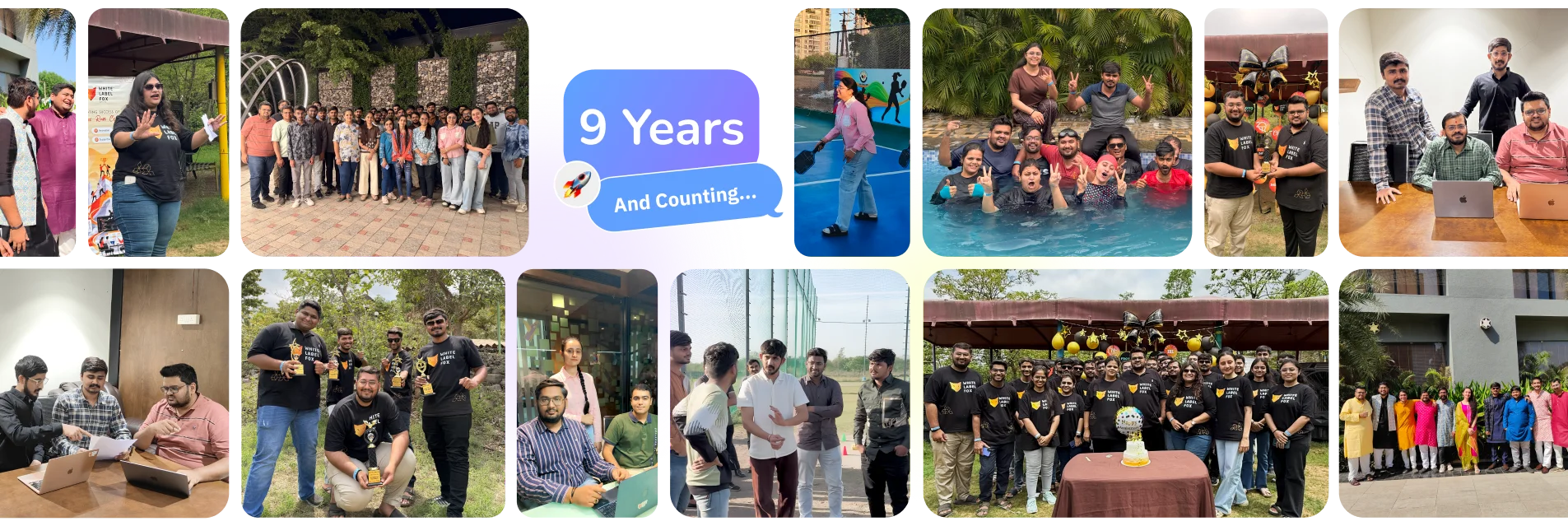
We have powered 300+ startups across 88+ countries over nine years.
Every problem a first launch runs into, from local payment methods to driver onboarding, has already been solved here for you.
Your launch begins from what 300 others already learned, not from a blank page.
Add services as the business needs them, reprice or switch off what does not fit. The app fits the business, not the reverse.
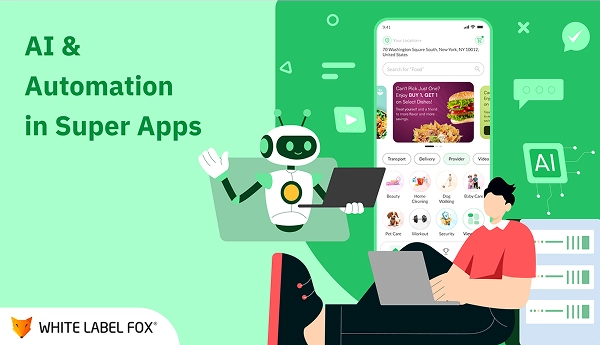
Built with AI from launch rather than bolted on later, while most platforms still run on basic rule-based logic.
Submitted to the Apple App Store and Google Play under your own developer account, at no extra charge, with resubmission handled if Apple rejects.
Take a look at real applications we’ve delivered to clients across different industries. Each project highlights practical solutions, custom features, and how businesses are running their operations using our platforms.
Every founder here is a verified White Label Fox client sharing honest, on-camera results - from food delivery and ride-hailing to carpooling and multi-service apps, built by a team that's shipped 300+ products in 9+ years.
We are proud to be recognized by top industry platforms such as Trustpilot, Google, Clutch, and GoodFirms. With excellent ratings and reviews, our commitment to delivering high-quality, clone app development solutions is trusted by businesses and users worldwide.
Every question serious founders ask before choosing an gojek clone app - cost, source code, timelines, and what happens after launch answered straight, without sales spin.
An All in one super app is a ready-made solutions that lets customers book rides, food, groceries, couriers and home services from one place. The business owner buys the finished platform, adds their own branding and pricing, and launches, instead of building each service separately over many months.
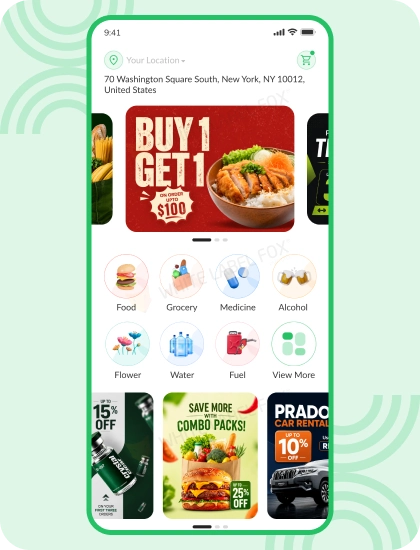
The customer app ships with 101+ services grouped into four categories: transport, delivery, on-demand services and video consultation. That covers taxi, bike, intercity and pool rides, food, grocery, medicine, liquor, flower, fuel and courier delivery, plus cleaning, beauty, plumbing, electricians and tutors. More services can be added at any time.
Yes. The customer app supports cash on delivery, an in-app wallet and digital payment through a connected payment gateway. The business chooses which methods to enable, and one local payment gateway is integrated during setup so customers pay the way they already pay in that market.
Yes. Customers can schedule a service for a future date and time, and the app sends an automatic reminder before the booking starts. Rides also support multiple stops, booking on behalf of someone else, child seat requests and accessible vehicle options for passengers with special needs.
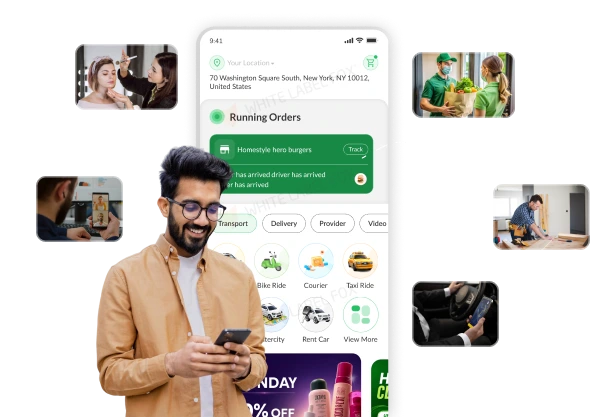
Customers see the driver or delivery partner live on a map from the moment the job is accepted. Ongoing orders appear on the home screen, an OTP confirms the start of every ride or delivery, and in-app chat and masked calling let the customer reach the driver without sharing a phone number.
Yes. The customer app is built in Flutter and released on both the Google Play Store and the Apple App Store under your own brand name. Both versions come from one codebase, so features and fixes land on Android and iOS at the same time rather than weeks apart.
Yes. Customers set their preferred language and currency in the app, and invoices are generated in that language and currency. This is how the same gojek clone app runs in several countries at once without a separate build or a separate codebase for each market.
Yes. With taxi bidding, drivers place bids on a ride request and the customer picks the offer they want rather than accepting a fixed fare. Taxi pool, intercity rides, bike and car rental with a chauffeur, and demand-based surge pricing are all included alongside it.
Drivers receive requests based on their current location and the services they have turned on. An online and offline toggle controls availability, and the admin Dashboard decides how jobs are allocated between nearby drivers. Drivers can also record a street hail manually so offline trips still appear in the platform.
Yes. A single driver account can offer several transport and delivery services from one app, so the same person can take taxi rides, bike rides and courier jobs. This keeps supply flexible in a new market where there are not yet enough drivers to specialize in one service.
Driver earnings collect in an in-app wallet. Drivers add bank details and raise a cash-out request, which the business approves from the admin Dashboard. Minimum and maximum cash-out amounts, auto-settlement and minimum wallet balance rules are all configured centrally, so payouts follow one policy across the platform.
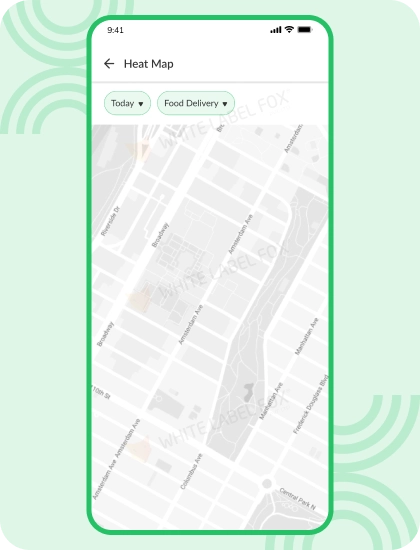
A live heat map shows where demand is highest so drivers can move toward busier areas. Drivers can accept multiple delivery orders on one trip, see toll charges calculated automatically, and receive tips from customers. Surge pricing raises fares during busy periods, which pulls more drivers online.
The business decides. Required driver documents are configured in the admin Dashboard, and drivers upload them through the app for approval. Each document can carry an expiry date, and both the driver and the admin get an automatic reminder before it expires, which keeps the fleet compliant with local rules.
Yes. The driver app provides turn-by-turn navigation to pickup and delivery locations using Google Maps. An OTP confirms the start of each job, a stop button pauses an active ride when needed, and a waiting timer records how long the driver waits at the pickup point.
Yes. Subscription plans can be created for drivers, stores and providers, and switched on or off for each group separately. That means drivers can pay a fixed monthly fee while stores stay on commission, or any other mix that suits the market and the stage the business is at.
Yes. Stores can manage private drivers who only handle that store deliveries, which suits restaurants and grocery chains that already have their own riders. Those jobs stay inside the platform and still appear in the admin Dashboard, the reports and the earnings data.
The super admin dashboard controls the whole platform: services, commission and tax rates, fares, regions, users, drivers, stores, providers, payouts, subscriptions, promotions and notifications. It also includes a live God View map dispatcher showing every ride, booking and order by current status.
Yes. Business regions are drawn directly on a map, and commission, tax, fares, service availability and sub-admin access are all configured per region. Running different pricing in two cities is a settings change in the admin Dashboard, not a development request to the vendor.
Yes. Region-wise sub-admins can be created with configurable permissions covering view, add, edit and delete. A city manager can be given access to their own region only, without seeing or changing anything that belongs to another region of the business.
Commission and tax are configured in the admin Dashboard, separately for each service and each region. A different rate can apply to food delivery, taxi rides and home services, and each of those rates can differ again from one operating city to the next.
The business dashboard reports verified users, drivers, providers and stores, total revenue, total orders and service-wise performance. Ride and order history includes a timeline and an interactive heat map, and orders, customers, drivers, stores, providers, cashouts and subscriptions all export to CSV or PDF.
Yes. Promo codes are created per service, loyalty programs are configured centrally, and spotlight placement pushes selected stores and providers to the top of the customer app. Advertisement banners, service banners and the home screen slider are all managed from the same dashboard.
Yes. The super admin dashboard has a responsive interface built for smaller screens, along with global search, advanced filters, customizable data tables, light and dark mode, and multi-language support. A business owner can approve a driver or check revenue without being at a desk.
Customers, drivers, stores and providers raise support tickets from their own apps, and every ticket lands in the admin Dashboard where it can be tracked by user type and by service. Ticket chat runs in real time with read status and typing indicators, so nothing waits on a page refresh.
Pricing is not published, because the final figure depends on the services you launch with, the markets you operate in and the level of customization. Every package includes full source code, white labeling, server setup, app store submission and one year of bug support. Contact the team for a quote.
A market-ready gojek clone app can go live in five days. That timeline assumes standard branding and configuration on a finished product. The market norm for a white label multi-service platform is two weeks or more, and a custom build from scratch usually takes six to twelve months.
Yes. Full source code ownership is included in every package, under your own brand. Source code ownership is standard across this market, so the more useful questions to ask any gojek clone app development company are what the code is built on and how easily another team could maintain it.
A gojek clone script is a finished product you brand and configure, live in days rather than months. Custom development starts at zero and usually takes six to twelve months. The script wins when the goal is to get a working business into a market quickly and learn from real orders.
Yes. The 101+ services are a starting point, not a limit. Additional services can be added on top using the same flow as the existing delivery and on-demand services, and because the platform is built on microservices, a new service can go live without taking the rest of the app down.
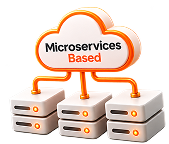
The backend runs on PHP 8.2 and Laravel 12.0 with a microservices architecture, the frontend on Next.js 16.2, and the mobile apps on Flutter 3.44. Data sits in PostgreSQL with MongoDB for chat, services run in Docker containers, and Cloudflare handles content delivery and network layer security.
Yes. Working demo apps are available. Access is shared by email after you submit the contact form, followed by a conversation with the team so the demo can be walked through against your own business plan and your own target market.
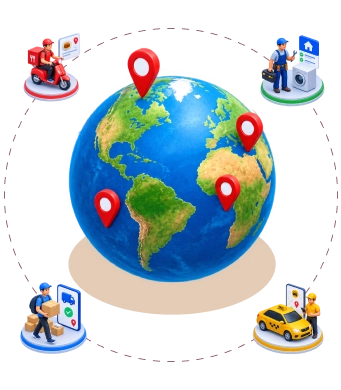
The platform is deployed in 88+ countries. Multi-language and multi-currency support are built in, region-wise configuration handles local pricing and rules, and one local payment gateway is integrated during setup, so launching outside a major market is routine here rather than a first attempt.
WhatsApp
+91 79849 31943
Write to us
[email protected]
Check out our best-selling on-demand solutions and find the perfect fit for your unique business needs.
Stay updated with the latest trends, insights, and tips in the on-demand app industry. Explore our newest blogs to gain valuable knowledge and ideas to grow your business!
300+
StartupsPowered
100% Ownership
Enterprise
GradeProduct
NDA
Protection