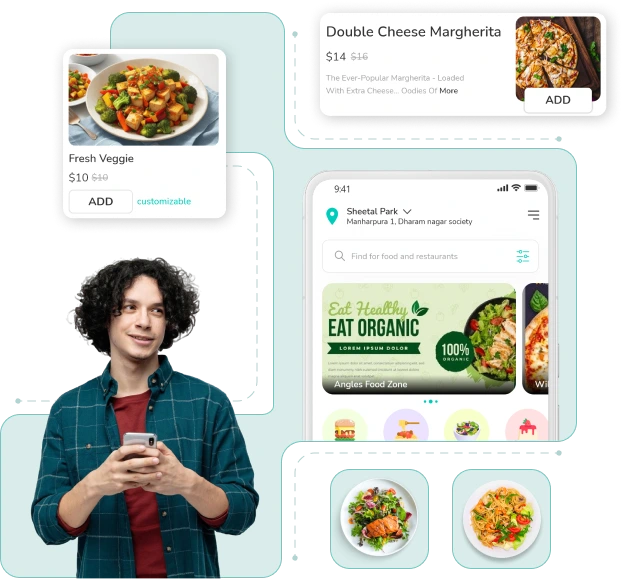








Create a flexible platform that brings transportation, delivery, and everyday services together, with features tailored to your business model.
Launch your multi-service delivery business with a customizable Deliveroo clone app designed to connect customers, vendors, and delivery partners on one platform. Support multiple service categories, streamline order management, and build your own branded delivery business with a scalable solution.
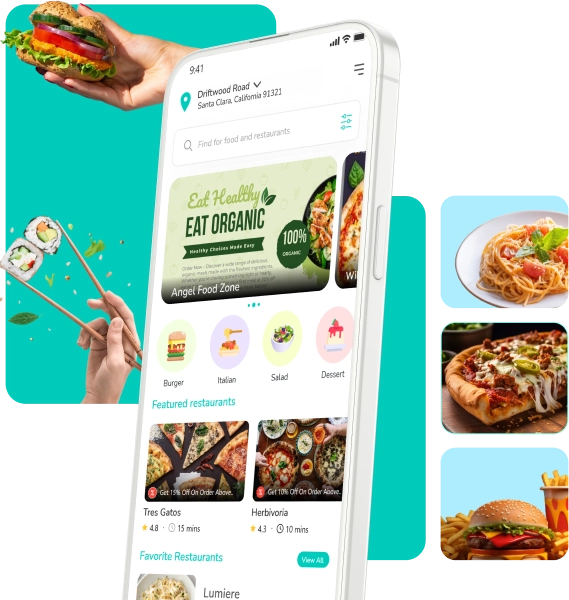
A Deliveroo clone app is a ready-made, customizable platform for launching your branded delivery business. Our Deliveroo clone solution connects customers, vendors, and delivery partners in one place. With our Deliveroo clone script, you can expand beyond food delivery, reduce development time, and grow your business faster.
The solution can be customized for different business models and delivery categories. Businesses can also customize its features and workflows based on their target market and operational needs.
Every number here is earned, not claimed. For 9+ years, we've delivered white label solutions for startups and enterprises across 88 countries and every client owns their source code outright.
A Deliveroo clone app connects customers, stores, and delivery partners through one platform to simplify multi-service ordering and delivery. From product selection to final delivery, each step is managed through a coordinated workflow.
01
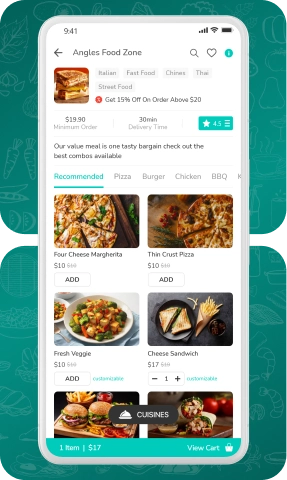
Customers explore food, groceries, and other products before adding their preferred items to the cart for a convenient experience.
02
Customers confirm their selections, choose a payment method, and receive instant order confirmation after placing their order.
03
Vendors confirm incoming orders, prepare the items, and update their status for pickup once the order is ready.
04
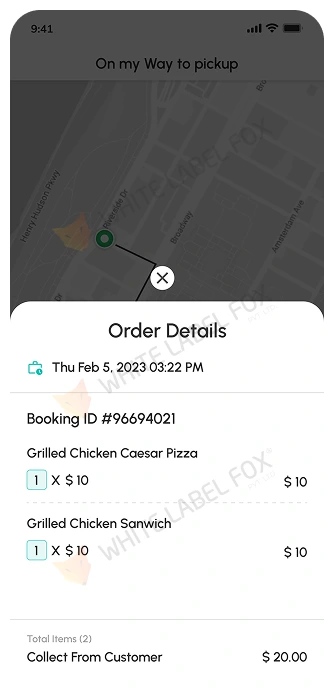
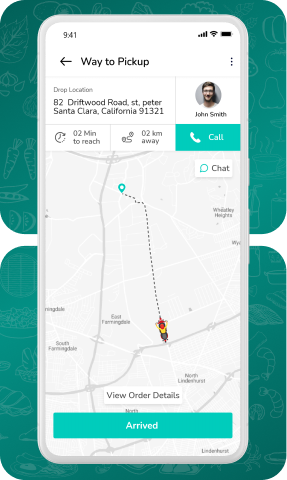
Delivery partners collect prepared orders and use GPS navigation to reach customers efficiently while following the delivery route.
05
Customers track order progress in real time until their items arrive at the destination with timely status updates.
06
Administrators oversee orders, vendors, delivery partners, commissions, and platform activities from one dashboard.
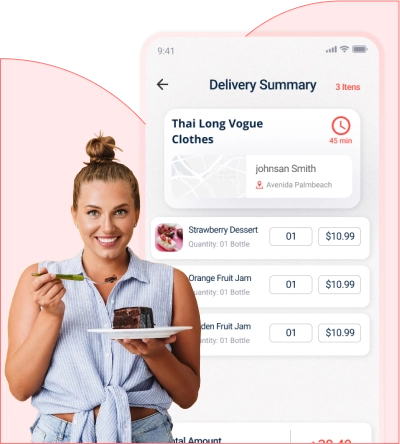
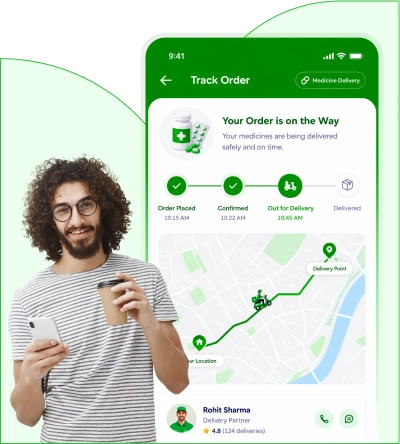
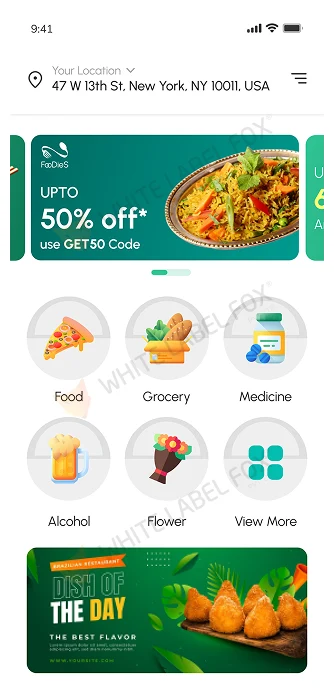
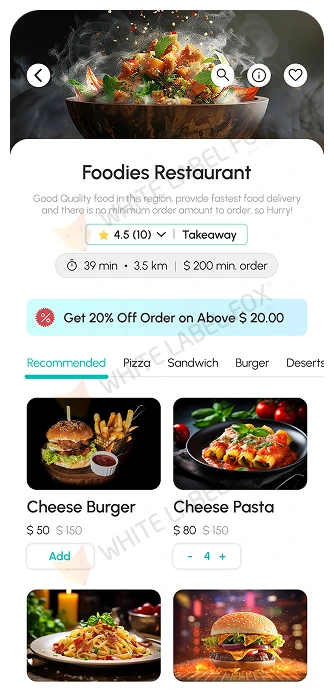
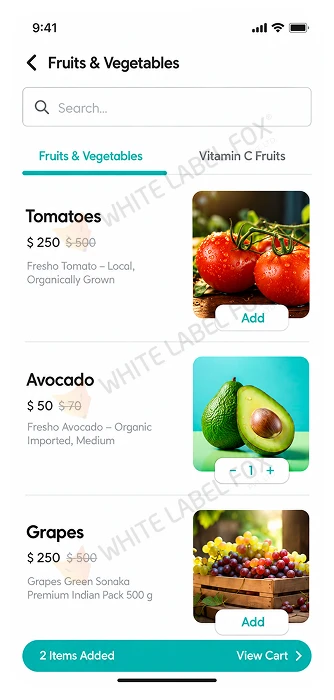
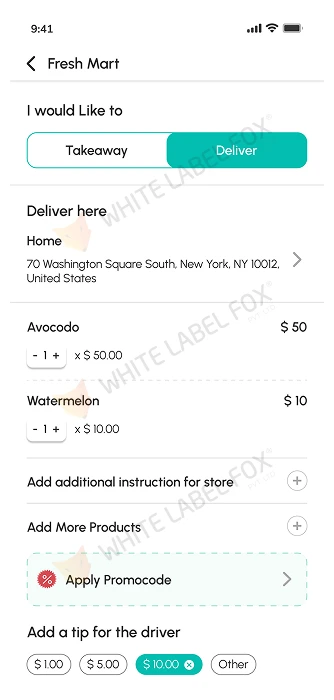
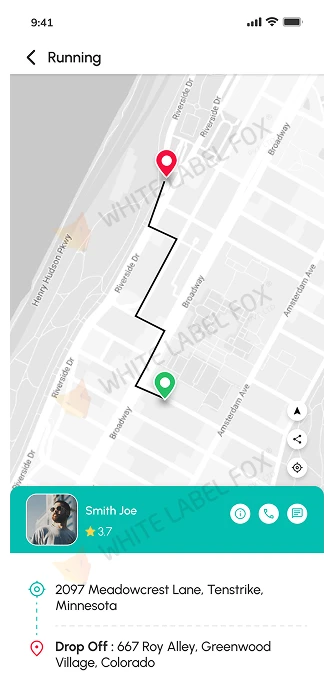
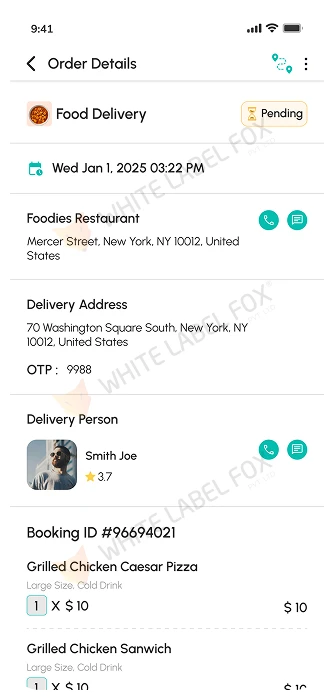
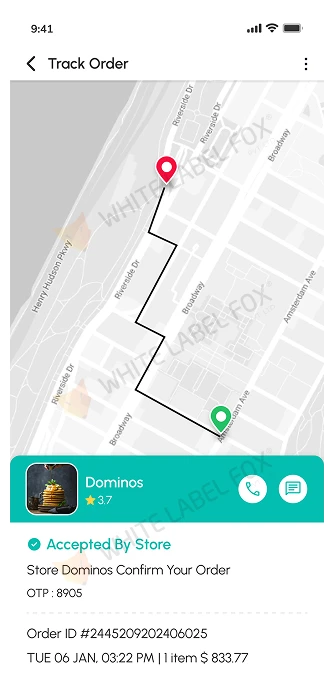
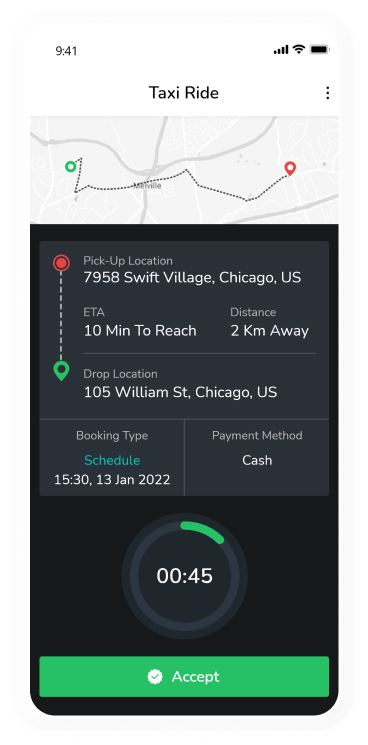
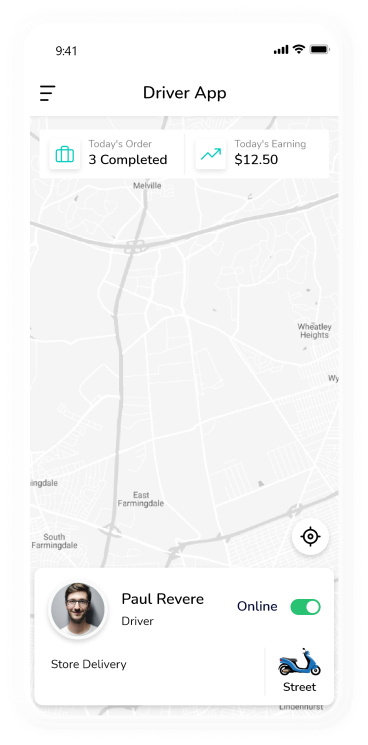
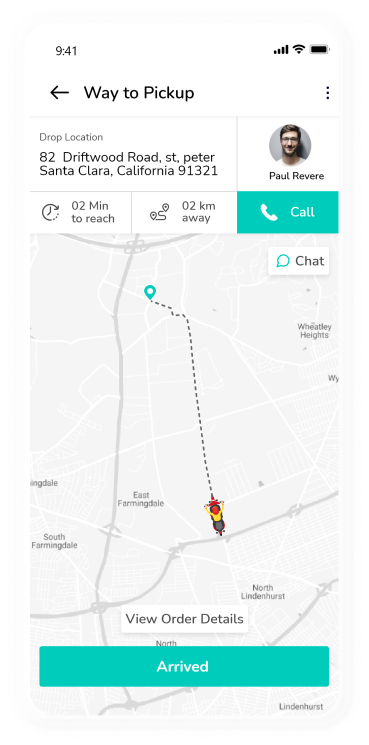
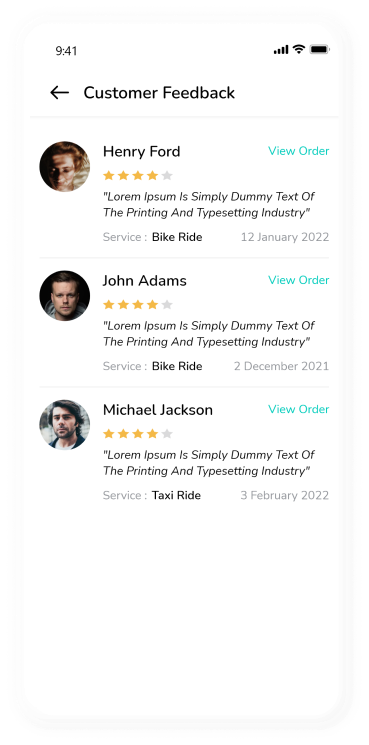
See how our Deliveroo clone app connects customers, stores, and delivery partners through simple, user-friendly interfaces designed to support smooth ordering and delivery management.
Turn your vision into reality with our customizable Deliveroo Clone App. Launch your own branded platform for food, grocery, and multi-category delivery with a scalable solution built around your business goals.
Get Your Multi-Service Delivery App
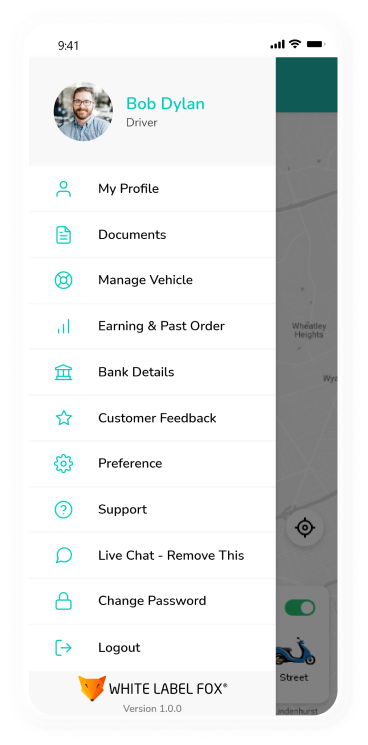
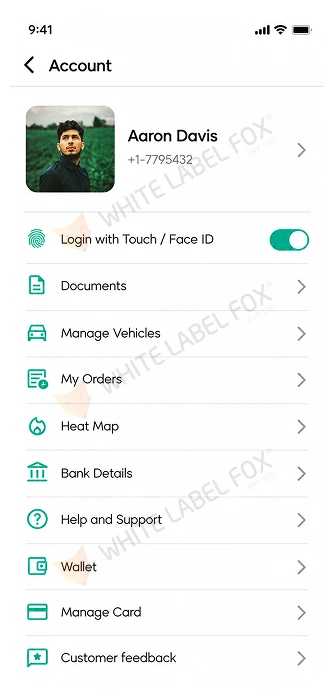
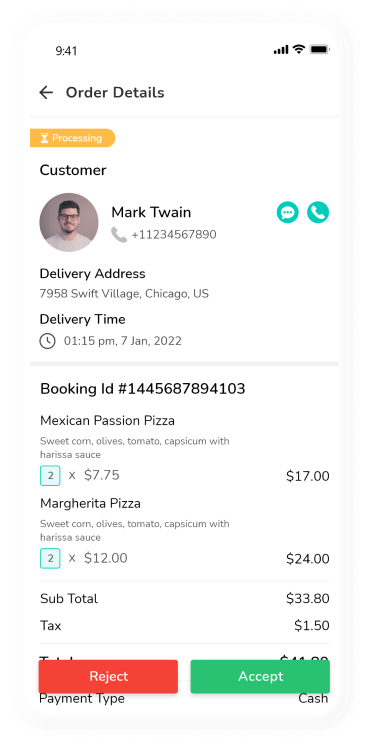
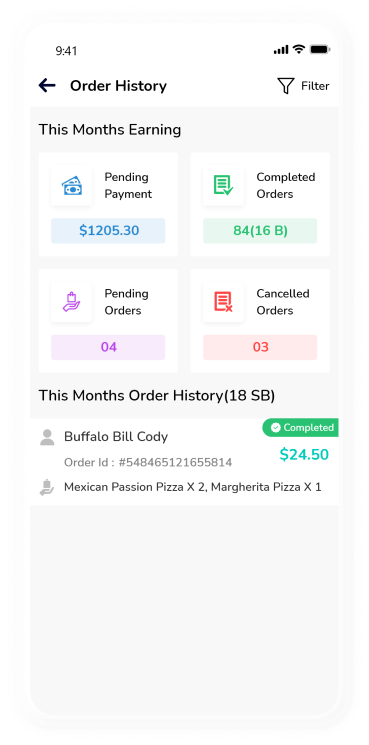
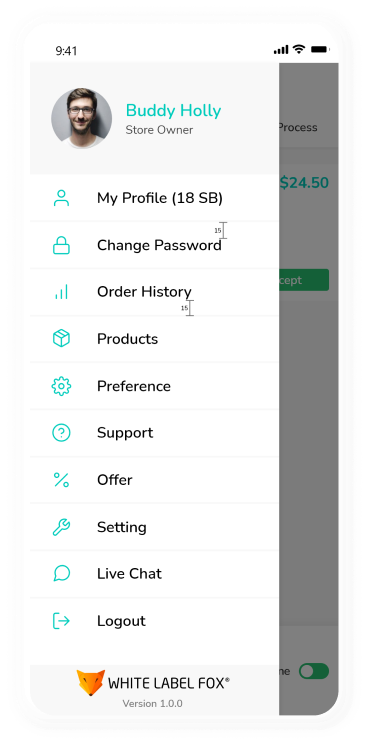
Our Deliveroo clone app development solution includes dedicated apps for customers, store owners, and delivery partners. These apps work together to simplify ordering, vendor management, and deliveries across multiple service categories.
Create an account with a simple sign-in process. Start ordering quickly and easily.
Explore food, groceries, and other products in one app. Find what you need conveniently.
Find products and stores faster with smart search and filters. Simplify discovery.
Select products, customize orders, and complete checkout smoothly.
Track orders from confirmation to delivery. Stay updated throughout delivery.
Choose from convenient payment methods during checkout. Enjoy payment options.
Access discounts, promotions, and special deals. Encourage savings and repeat orders.
Review stores, products, & delivery experiences. Help others informed choices.
Submit documents for verification. Start accepting requests after approval.
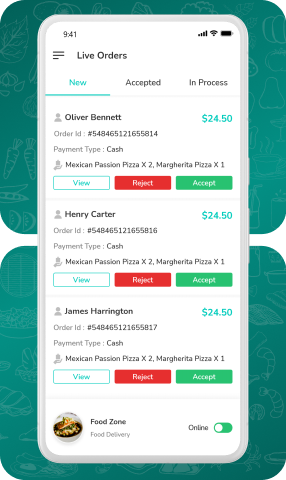
Accept or reject requests based on availability. Manage assigned deliveries.
Get directions to pickup and drop-off locations. Ensure timely deliveries.
Share driver locations in real time. Keep customers updated during deliveries.
Update order status at each stage. Keep customers informed.
View earnings, incentives, and payment summaries. Track performance easily.
Switch between online and offline modes. Manage availability based on your schedule.
View completed deliveries and previous orders. Review activities anytime.
Register your business and manage store details, hours, and profile information easily.
Add, edit, organize products, prices & menus to keep listings updated.
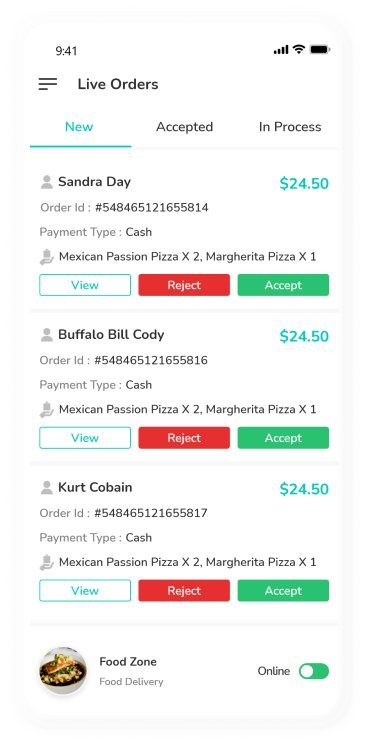
Accept, reject, and process incoming orders efficiently for smooth daily store operations.
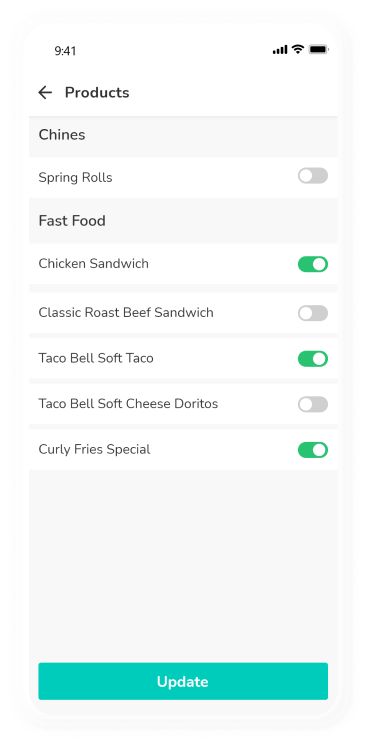
Update stock levels and mark unavailable products to prevent order issues.
Update preparation and packing progress to keep customers and partners informed.
Create promotional campaigns & discounts to attract customers & increase sales.
View sales, completed orders, and earnings to evaluate store performance.
Receive alerts for orders, cancellations, and updates to respond quickly.
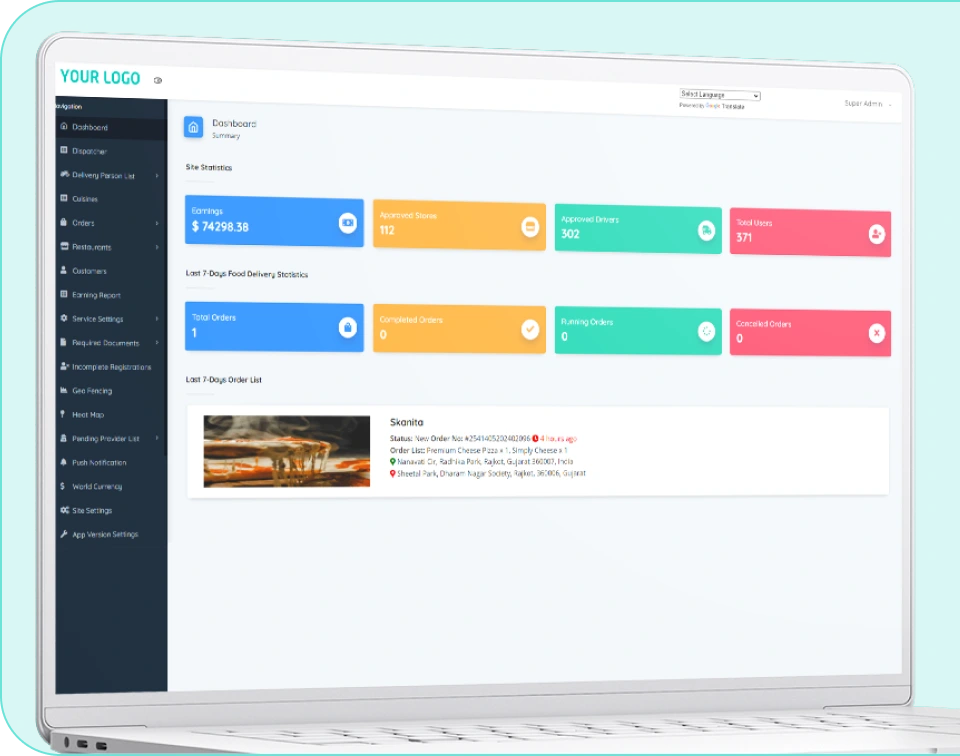
Manage your entire Deliveroo clone app, including users, delivery partners, pricing, and platform operations from one dashboard.
Monitor orders, revenue, commissions, and user activity through a centralized dashboard. Use business insights to make informed operational decisions.
View customer profiles, manage account details, and handle user-related issues. Maintain a better customer experience across your delivery platform.
Approve new stores, manage vendor profiles, and monitor store activities. Maintain control over participating businesses and their platform access.
Review driver registrations, verify documents, and manage delivery partner accounts. Monitor driver activity to support smooth delivery operations.
Track orders across multiple categories, stores, and delivery partners. Manage cancellations, order disputes, and delivery-related issues efficiently.
Configure commission rules and monitor transactions across the platform. Review payment records and relevant earnings to maintain financial oversight.
Add or manage food, grocery, and other supported delivery categories. Expand your multi-service delivery app as your business requirements evolve.
Create promotional campaigns, discount codes, and platform-wide offers. Use targeted promotions to attract customers and encourage repeat orders.
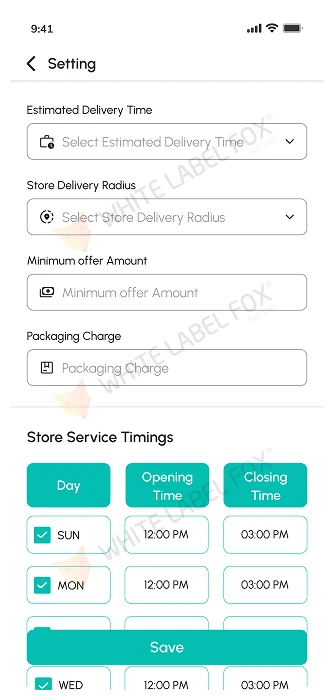
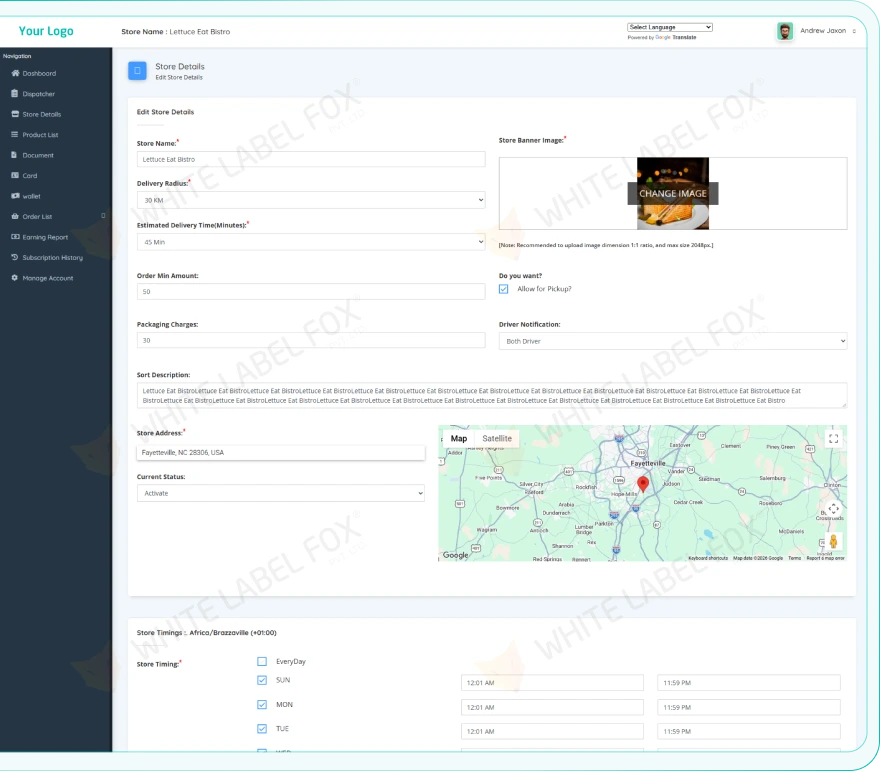
Help vendors manage store profiles, products, orders, and availability through an easy-to-use multi-vendor delivery dashboard.
View incoming orders, sales summaries, and important store activities. Use these insights to monitor daily performance and organize operations.
Add, edit, and organize product listings, descriptions, prices, and images. Keep store catalogs accurate and updated for customers.
Accept or reject incoming orders and manage their preparation status. Keep orders organized from confirmation through pickup.
Update stock quantities and mark unavailable products when needed. Help prevent order cancellations caused by inaccurate stock information.
Update business details, operating hours, contact information, and store descriptions. Keep essential information accurate for customers browsing the platform.
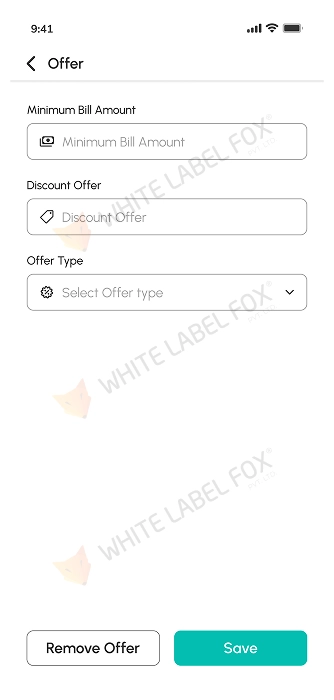
Create or participate in approved promotions to attract more customers. Use suitable offers to encourage purchases and improve sales opportunities.
Review order history, sales performance, and relevant earnings summaries. Use these reports to understand business performance and plan improvements.
Receive updates about new orders, cancellations, and important platform announcements. Respond promptly to operational changes and customer requests.
Launch your own branded delivery platform with our Deliveroo clone app development services. Customize your solution for food, grocery, and multiple product categories while creating new opportunities to grow your business.
Build Your Deliveroo Clone App
Our Deliveroo clone solution provides ready-made mobile applications and web-based platforms to help you launch and manage a multi-service delivery business under your own brand.
Explore our Deliveroo clone app ready-made Android and iOS applications for customers and delivery partners to simplify ordering and delivery management.
Manage your multi-service delivery business with a customer website, store admin panel, and super admin panel designed to streamline platform operations.
Our Deliveroo clone app development process follows four structured steps, from gathering your business requirements to launching a tested, customized multi-service delivery platform.
01
Requirement GatheringWe start by understanding your business model, target audience, and delivery requirements. Our team identifies the essential features, preferred service categories, and customization needs for your Deliveroo clone app. We also discuss your budget, project scope, and launch goals to define a clear development plan.
02
Collect Third-Party AccountsWe identify the third-party services for your delivery platform, including payment gateways, maps, SMS, and push notifications. We guide you through setting up the accounts and API credentials for seamless integration.
03
Design & DevelopmentWe configure the Deliveroo clone script according to your approved requirements and branding. Our team customizes customer, store, driver, and admin interfaces while integrating required services and delivery categories for seamless operations.
04
Testing & LaunchBefore launch, we test key workflows, including registration, product browsing, order placement, payments, and delivery tracking. We resolve identified issues and prepare your Deliveroo clone solution for smooth deployment and reliable performance.
Choosing the wrong development partner doesn't just cost money it costs months of rebuilding, rebranding, and recovery. Here's how we stack up against every alternative, point by point, nothing hidden.
Take a look at real applications we’ve delivered to clients across different industries. Each project highlights practical solutions, custom features, and how businesses are running their operations using our platforms.
Two packages, two clear paths. Starter gets you a fast, minimum-viable launch to validate your
market.
Enterprise gives you full source code and everything needed to scale from day one.
| No | Service Included | Starter Package | Enterprise Package |
|---|---|---|---|
| 1 | Post-Launch Bug Support | 3 Months | 12 Months |
| 2 | App Store Upload & Submission |
|
|
| 3 | Full Source Code Delivery |
|
|
| 4 | App Store Listing Graphics |
|
|
| 5 | Social Login (Google / Facebook / Apple) |
|
|
| 6 | App Language Support | English Only | Up to 10 Languages |
| 7 | Currency Support | Single Currency | Up to 10 Currencies |
Launch your delivery business with a ready-made platform backed by customization, technical support, and essential integrations. We help simplify setup, daily operations, and future growth.
Launch under your own brand with your logo, colors, and business identity. Create a consistent customer experience.
Reduce development time with configuration, server setup, and testing. Get your platform ready faster.
Keep business ideas and project information confidential under a signed NDA. Protect your privacy throughout.
Start with the services you need and expand as your business grows. Support more vendors, customers, and operations.
Connect payments, maps, navigation, and notifications. Simplify transactions and delivery coordination.
Get guidance for Google Play and Apple App Store submissions. Resolve submission requirements and issues.
Get one year of post-launch bug-fix support for covered software issues. Maintain a smoother and more reliable experience.
Get guidance through planning, configuration, testing, and launch. Manage setup with dedicated project support.
Build a sustainable delivery business with multiple income streams. From vendor commissions to promotional services, choose revenue models that match your business goals and customer demand.
Earn a percentage from each completed order by participating vendors. Set commission rates based on your business model.
Charge customers based on distance, order size, or service type. Transparent fees help cover delivery expenses and generate income.
Offer membership plans with reduced fees, exclusive offers, or discounts. Recurring plans encourage repeat orders and customer loyalty.
Let vendors pay for featured positions in categories or search results. Increased visibility helps attract customers and generate revenue.
Offer advertising placements to relevant brands and local businesses. Paid promotions create additional income while highlighting products.
Apply a disclosed fee to orders below your minimum order value. This helps offset smaller order processing and delivery costs.
Hear from businesses that have worked with White Label Fox to build, customise, and launch their digital products. Their experiences offer a closer look at our collaboration, communication and delivery approach.
Discover ready-made clone app solutions that help businesses launch on-demand services, manage deliveries, and expand into multiple service categories.
Create a flexible platform that brings transportation, delivery, and everyday services together, with features tailored to your business model.
Develop a convenient ordering platform where customers can access food, groceries, and other local delivery services through a single app.
Launch a customizable digital platform that lets your business manage multiple on-demand services and provide customers with a connected service experience.
We are proud to be recognized by top industry platforms such as Trustpilot, Google, Clutch, and GoodFirms. With excellent ratings and reviews, our commitment to delivering high-quality, clone app development solutions is trusted by businesses and users worldwide.
Find answers to common questions about pricing, customization, multi-service features, source code ownership, timelines, and post-launch support.
A Deliveroo Clone App allows customers to browse available restaurants, stores, and products from their mobile devices. They can compare menus, view prices, customize orders, and add items to their cart. The app supports secure checkout through integrated payment options. Customers can also track deliveries and receive order status notifications. This creates a convenient ordering experience within your branded platform.
Yes, the app can be customized to support more than restaurant orders. Depending on your business requirements, customers can order groceries, daily essentials, and products from additional service categories. You can organize these categories to make product discovery easier. This flexibility helps businesses develop a multi-service delivery app. Available categories depend on the features included in your chosen solution.

Customers can view their order status as it moves through the delivery process. Depending on the integrated features, they can see when a store accepts an order, when it is prepared, and when a driver picks it up. GPS-based tracking can display the driver's location during delivery. Push notifications can communicate important updates. These features help customers understand the progress of their orders.
The customer application can support payment methods suited to your target market. Options may include credit and debit cards, digital wallets, and cash on delivery where applicable. Payment gateway integration depends on your business location and provider requirements. The app can also display payment status and transaction details. Available payment methods can be finalized during the project planning stage.
Yes, scheduled delivery functionality can be included if it matches your business model. Customers can select an available delivery time instead of requesting immediate fulfillment. This can be useful for grocery orders, planned meals, and recurring customer needs. The system must coordinate the selected slot with store availability and delivery capacity. Scheduling rules can be configured according to your operational requirements.
A rating and review feature can let customers share feedback after an order is completed. They may be able to rate their experience with the store, product quality, and delivery service. Reviews can help other customers make informed choices. Administrators can use feedback to identify recurring service issues. The exact rating and moderation options depend on the features implemented in your app.
Yes, promotional features can be configured to help you run marketing campaigns. Depending on the implementation, customers can apply coupon codes, access eligible discounts, or view special offers. You can define campaign conditions such as minimum order values and validity periods. These promotions can encourage first-time purchases and repeat orders. Administrators should establish clear rules to manage promotional costs.
Yes, a white label food delivery app can be branded to reflect your company's identity. Customization may include your logo, color palette, app content, and selected user interface elements. The customer journey can also be adapted to your target audience and service categories. This allows you to operate under your own brand rather than a third-party consumer brand. The available customization scope depends on your project requirements.
The driver application helps delivery partners manage assigned orders and complete deliveries efficiently. Drivers can receive order requests, review pickup and drop-off details, and update delivery statuses. Navigation support can help them reach stores and customers. The app may also display delivery history and earnings information. Its features can be configured to suit your delivery operations.
When an order is ready for delivery or meets your dispatch rules, the system can make it available to eligible drivers. Depending on the configuration, drivers may receive requests based on availability, location, or assignment rules. They can review the relevant order information before accepting a request. Notifications help them respond to new assignments. The dispatch workflow should reflect your business's delivery policies.
Yes, map and navigation integrations can help drivers locate pickup and drop-off addresses. The app can display relevant location information and provide directions through a supported mapping service. GPS functionality can also assist with delivery tracking. Accurate addresses and location permissions are important for reliable navigation. Integration availability and usage costs depend on the selected provider.
The driver app can let delivery partners update the progress of assigned orders. Statuses may include order pickup, out for delivery, and delivery completed. These updates can be reflected in the customer app and admin panel. Customers can then receive relevant notifications throughout the process. The exact status flow can be configured around your fulfillment and verification procedures.
Driver availability features can help delivery partners indicate when they are ready to receive orders. Depending on the configuration, drivers may switch between online and offline modes. Dispatch rules can use availability information when assigning deliveries. This helps administrators coordinate the active delivery fleet. Additional rules may be required to manage working hours, service areas, and driver eligibility.
A driver earnings section can display information about completed deliveries and applicable payments. Depending on the implemented features, drivers may review delivery fees, incentives, and transaction history. Administrators can configure payout processes according to the business model. Clear earnings records help drivers understand their compensation. Final payout methods and schedules depend on your payment and operational policies.
Yes, the driver application can be adapted to support different delivery categories when the business requires it. These may include restaurant orders, grocery deliveries, or other supported products. Assignment rules can account for delivery type, location, and operational requirements. Not every driver needs to handle every category. You can define eligibility and workflows based on your delivery model.
The admin panel can provide information about driver activity and delivery progress. Depending on the features implemented, administrators may review completed orders, delivery times, cancellations, and customer feedback. These insights can help identify operational bottlenecks. Performance data can also support decisions about staffing and delivery coverage. Access to live location information should follow applicable privacy and consent requirements.
The admin panel provides a central place to oversee key platform activities. Depending on your configuration, you can manage customers, stores, drivers, orders, commissions, and service categories. You may also monitor transactions and review operational reports. Centralized controls help reduce the need to manage each app separately. Available management functions depend on the selected solution and customization scope.
Yes, a multi-vendor delivery app can support multiple participating restaurants or stores through a shared platform. Administrators can manage vendor accounts, review onboarding information, and configure relevant business settings. Each vendor may receive a dedicated panel to manage menus, products, pricing, and orders. This structure helps coordinate activity across multiple businesses. Vendor permissions can be defined according to your operating model.
Commission settings can be configured to match your commercial agreements with participating vendors. Depending on the system, you may define a percentage or fixed fee for eligible orders. Different vendor agreements may require different commission rules. The platform can use these settings when calculating relevant order totals and settlements. The exact calculation and reporting options should be confirmed during implementation.
A customizable multi-category delivery app can be configured to reflect your business's supported services. Administrators may manage categories, subcategories, and related store or product listings. This can help you expand from restaurant delivery into groceries or other suitable categories. New categories may require additional workflows, integrations, or operational rules. The available controls depend on the product architecture and agreed scope.
The admin dashboard can display order information across supported stores and delivery partners. Administrators may review order status, payment information, cancellations, and fulfillment progress. Search and filtering options can help locate individual orders. This visibility makes it easier to investigate delays and resolve operational issues. The reporting detail depends on the dashboard features included in your solution.
Promotional management features can help you organize discounts and increase visibility for selected vendors. Depending on the implementation, administrators may create coupon campaigns, configure offers, or highlight participating stores. You can define eligibility rules and campaign periods to suit your business strategy. Featured placements may also provide a potential revenue stream. Promotion controls and billing arrangements should be agreed during setup.
Reporting features can help you review important business and operational metrics. Depending on the available modules, reports may cover order volume, revenue, commissions, vendor activity, and delivery performance. These insights can help you evaluate growth and identify areas for improvement. Report filters may support analysis by date or category. The final reports and export options depend on the selected implementation.

Yes, supported third-party services can be integrated according to your business requirements. Examples include payment gateways, mapping services, push notifications, and analytics tools. Integrations can help connect different parts of the delivery workflow. Availability depends on the provider's API, access permissions, and technical compatibility. Any licensing fees or usage charges should be evaluated before implementation.
A Deliveroo Clone App is a customizable application solution designed around an online food ordering and delivery business model. It can connect customers, restaurants or stores, delivery partners, and administrators through coordinated interfaces. Businesses can adapt its branding, workflows, and supported services to their needs. Depending on the implementation, it may support additional product categories beyond food. It provides a starting point for launching a branded delivery platform.
Customers browse available stores, select products, and place orders through the customer application or supported website. Stores receive orders and prepare them for collection. Delivery partners handle pickup and delivery using the driver app. The admin panel helps oversee orders, users, and platform settings. Integrated notifications and tracking can keep customers informed as the order progresses.


The cost depends on the required features, supported platforms, customization level, and third-party integrations. A solution with customer and driver apps, vendor management, and an admin panel will have different requirements from a simpler launch. Additional service categories may also affect development and testing effort. Licensing, hosting, and external API fees should be considered separately. Request a project-specific quote for an accurate estimate.
Yes, the solution can be tailored to your business goals and operational requirements. Customization may cover branding, application screens, commission rules, payment options, delivery workflows, and service categories. Some changes may require additional development beyond the standard package. The scope should be defined before implementation begins. This helps align the final product with your launch plan and budget.
Core features typically include customer registration, store listings, product browsing, cart and checkout, order management, and delivery tracking. Store tools help vendors manage products and incoming orders, while drivers need assignment and delivery status features. Administrators require controls for users, orders, and platform settings. Payment integration and notifications are also important considerations. The final feature set should reflect your target market and business model.
A food delivery app primarily focuses on ordering meals from restaurants and delivering them to customers. A multi-service delivery app can extend the same general ordering experience to groceries, daily essentials, and other supported categories. This broader model may require different vendor workflows and fulfillment rules. It can create additional ways to serve customers through one platform. The categories offered depend on your business strategy and solution capabilities.
The launch timeline depends on the solution's readiness, required customizations, integrations, and testing scope. A standard solution may require less implementation work than a heavily customized platform. App store submissions and third-party account approvals can also affect the schedule. A project plan should define milestones for configuration, development, testing, and launch. Your provider can estimate the timeline after reviewing your requirements.
You can contact the solution provider with details about your target market, desired features, and supported platforms. Ask for a pricing breakdown covering the included applications, customization, integrations, and ongoing support. A product demo can help you review the customer, driver, vendor, and admin workflows. Confirm any recurring fees and additional development costs before committing. This will help you evaluate whether the solution fits your business needs.
We use modern, scalable, and secure technologies to develop high-performance mobile applications, web platforms, and backend systems. Our technology stack is carefully selected to ensure reliability, fast deployment, seamless integrations, and long-term scalability.
Google Maps
Laravel
CSS
MySQL
Flutter
PHP
Firebase
Bootstrap
100 MS
HTML
AWS
Dart
WhatsApp
+91 79849 31943
Write to us
[email protected]
Check out our best-selling on-demand solutions and find the perfect fit for your unique business needs.
Stay updated with the latest trends, insights, and tips in the on-demand app industry. Explore our newest blogs to gain valuable knowledge and ideas to grow your business!
300+
StartupsPowered
100% Ownership
Enterprise
GradeProduct
NDA
Protection