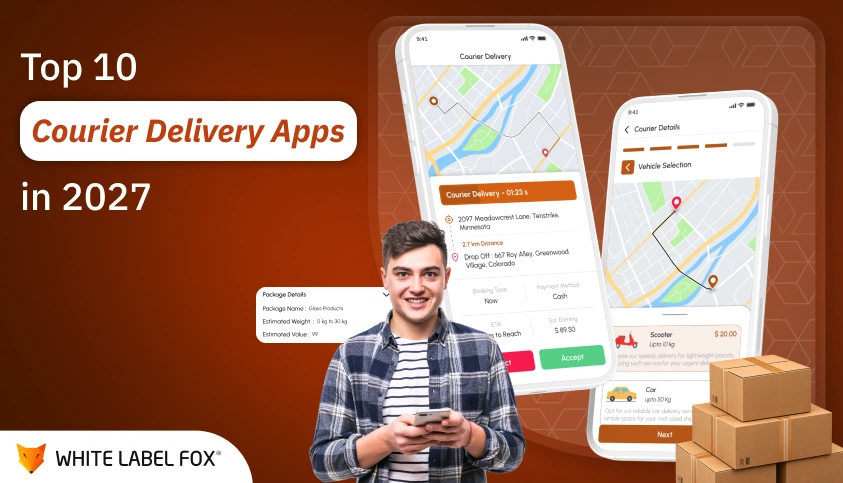
Courier delivery has become an important part of India's digital commerce ecosystem. Customers now expect quick pickups, live tracking, digital payments, and clear delivery updates. Businesses need even more: shipment management, COD handling, returns, route planning, and delivery analytics.
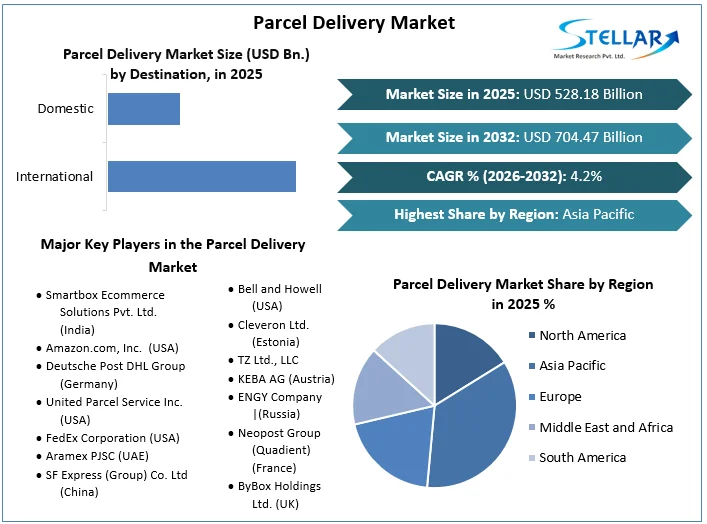
India’s express parcel market is estimated to reach 10–11 billion shipments in FY2025, with e-commerce accounting for more than half of the volume. The market is projected to reach 24–29 billion shipments by FY2030, highlighting the growing opportunity for courier and delivery businesses.
This has created different types of courier delivery apps in India. Some focus on national and international parcel networks, while others specialize in hyperlocal deliveries, e-commerce logistics, goods transportation, or freight.
For entrepreneurs, the opportunity is not simply to build another courier app. The bigger question is which delivery model solves a clear customer problem and can be operated profitably.
This guide covers 10 courier and delivery platforms in India and explains their business models, core features, and the lessons founders can use when planning their own courier delivery app.
What Is a Courier Delivery App?
A courier delivery app is a digital platform used to book, manage, track, and complete parcel or goods deliveries.
A basic parcel delivery app connects a customer with a courier partner. The customer enters pickup and drop locations, provides parcel details, selects a delivery option, pays the applicable charges, and tracks the shipment.
A more advanced courier service app manages the complete delivery workflow. This can include delivery partner assignment, route navigation, live tracking, digital payments, COD, proof of delivery, notifications, cancellations, and customer support.
Business-focused platforms can also provide bulk shipment creation, API integrations, return management, shipment reports, and multiple pickup locations.
The basic workflow is:
Booking → Pickup → Assignment → Transportation → Tracking → Delivery → Proof of Delivery
This makes a courier app more than a customer-facing application. It is usually a complete logistics platform involving customers, delivery partners, businesses, and administrators.
Courier Delivery Apps Worth Knowing in India
The Indian market has several types of courier and delivery platforms.
| Platform | Primary Model | Main Use Case |
|---|---|---|
| DHL Express | Express logistics | International shipments |
| Blue Dart | Express courier | Domestic and international parcels |
| DTDC | Courier and parcel | Individuals, SMBs and e-commerce |
| Delhivery | E-commerce logistics | Online businesses |
| Borzo | Hyperlocal delivery | Same-day local shipments |
| Pidge | Delivery management | Business delivery operations |
| Porter | Goods transportation | Local goods movement |
| Shadowfax | Last-mile logistics | E-commerce delivery |
| MOVER | Goods logistics | Intra-city transportation |
| Vahak | Freight marketplace | Trucks and commercial transport |
These platforms are not direct substitutes for one another. Each addresses a different logistics requirement.
A customer sending a document across India has different needs from a retailer delivering an order across the same city. Similarly, a manufacturer moving several tonnes of goods requires a completely different solution.
Understanding this difference is essential before deciding which courier delivery model to build.
Ready to Launch Your Own Courier Delivery App?
Turn your courier business idea into a branded delivery platform with customer, delivery partner, and admin apps, real-time tracking, payments, and delivery management.
How Courier Delivery Apps Work
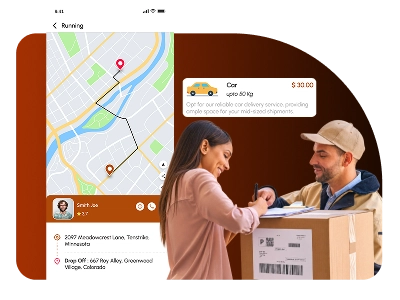
A courier delivery app generally starts when a customer or business creates a delivery request.
The system collects the pickup address, destination, parcel information, preferred delivery time, and other required details. A modern delivery app solution can automate these steps while connecting customers, businesses, and delivery partners.
Based on distance, vehicle type, service area, parcel size, and pricing rules, the platform calculates the delivery charge.
The order is then offered to a suitable delivery partner.
Once accepted, the delivery partner receives pickup instructions and uses map navigation to reach the sender. After collecting the parcel, the delivery status changes and the customer can track the shipment.
At the destination, the delivery partner completes the handover. The platform can capture OTP verification, digital signatures, photographs, or other proof of delivery.
For business customers, additional processes may include COD reconciliation, returns, failed delivery management, bulk orders, and reporting.
The technology therefore needs to coordinate multiple moving parts while keeping the customer experience simple.
3 Courier Delivery Models You Should Know
1. National Courier Network
A national courier network operates across multiple cities and regions.
Companies using this model require sorting hubs, transportation networks, delivery infrastructure, tracking systems, and business partnerships.
DHL Express is an example of an international network model, while Blue Dart, DTDC, and Delhivery demonstrate large-scale courier and logistics operations in India.
This model is suitable for businesses that already have significant logistics capabilities or access to established transportation networks.
The challenge is operational scale. A national service requires much more than an app.
2. Hyperlocal and Same-Day Delivery
Hyperlocal delivery focuses on a defined city or service area.
Customers can request a courier to pick up an item from one location and deliver it to another location within the same city.
Borzo is an example of this model, offering local delivery services including same-day and express options.
This model can be attractive for startups because founders can initially focus on one city, build delivery density, onboard local businesses, and expand gradually.
The key requirement is enough order volume to keep delivery partners active and delivery costs under control.
3. Bulk and Truck Logistics
Bulk logistics platforms focus on larger goods and commercial transportation.
Instead of assigning a bike rider to every order, these platforms may connect customers with mini trucks, pickup vehicles, trucks, and other commercial vehicles.
MOVER and Vahak are useful examples of this model.
This approach is suitable for manufacturers, wholesalers, retailers, distributors, fleet owners, and businesses that regularly move larger goods.
Top 10 Courier Delivery Platforms in India
1. DHL Express
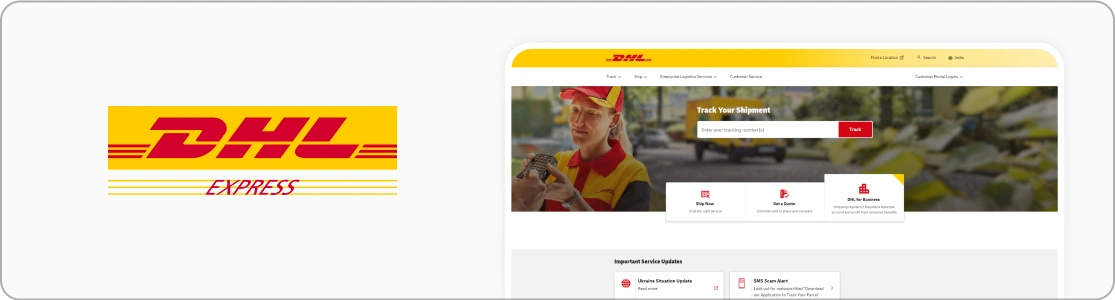
DHL Express is primarily known for international express shipping.
Its services focus on time-sensitive documents and parcels, with international coverage and shipment tracking.
For businesses involved in cross-border commerce, DHL demonstrates how a courier business can compete through network reach, shipping expertise, and international logistics capabilities.
Key features include:
- International express delivery
- Shipment tracking
- Pickup services
- Business shipping tools
- Door-to-door delivery
- Customs-related support
Business takeaway: A courier company can build its competitive advantage around network coverage and specialized logistics.
2. Blue Dart
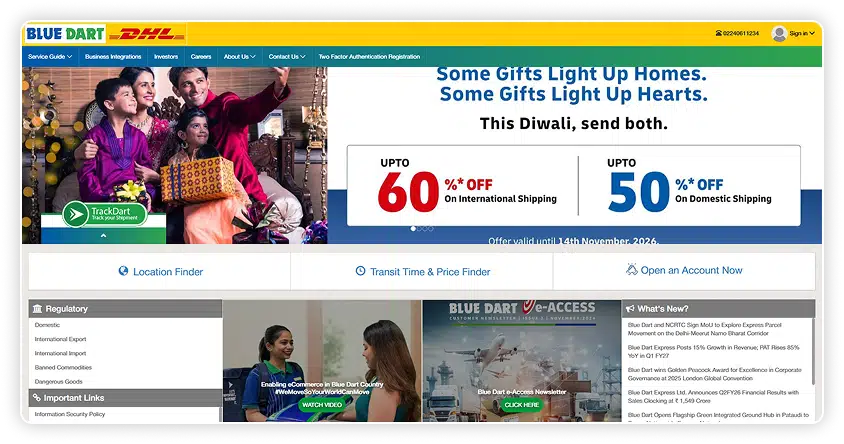
Blue Dart is one of India's established express logistics providers.
Its services cover domestic and international shipments, while its tracking system allows customers to monitor shipment progress.
Its Domestic Priority service focuses on time-sensitive shipments and includes features such as tracking and proof of delivery.
Key features include:
- Express parcel delivery
- Shipment tracking
- Pickup services
- Proof of delivery
- Time-definite services
- Domestic and international shipping
Business takeaway: Reliability and delivery commitments can become important parts of a courier business proposition.
3. DTDC
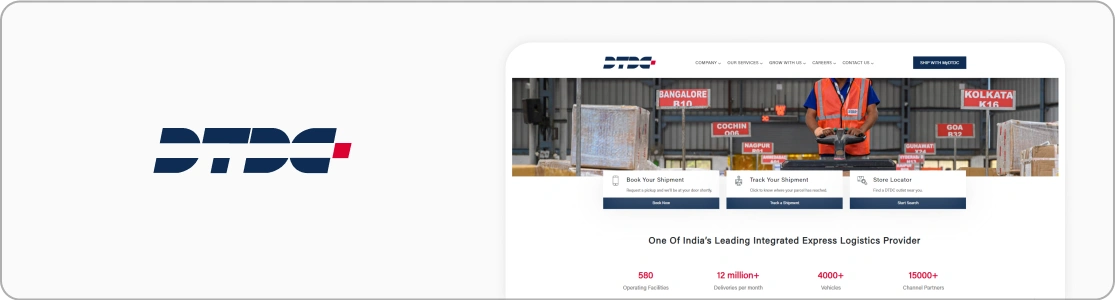
DTDC provides courier, parcel, express, and logistics services for individual and business customers.
Its Express Parcel service supports domestic shipments and includes tracking, COD, reverse logistics, and e-commerce-related capabilities.
This makes DTDC relevant to both traditional courier customers and online businesses.
Key features include:
- Parcel delivery
- Express shipping
- Tracking
- COD
- Reverse logistics
- E-commerce support
- Doorstep pickup
Business takeaway: Business customers often need returns, COD, and shipment management in addition to basic delivery.
4. Delhivery
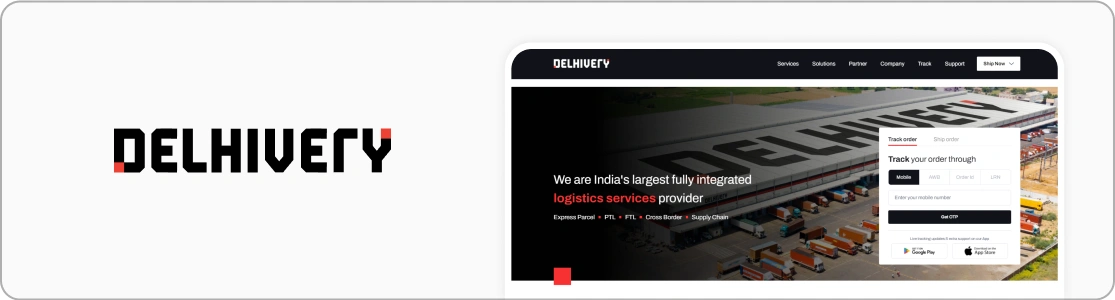
Delhivery is particularly relevant to e-commerce and D2C businesses.
Its technology platform supports shipment creation, pickup management, tracking, delivery status, and return-related workflows.
For an online business handling large order volumes, these tools can be as important as the physical transportation network.
Key features include:
- Shipment management
- Pickup scheduling
- Tracking
- Delivery updates
- RTO management
- E-commerce logistics
- API-based workflows
Business takeaway: A logistics platform can create value through software and operational visibility, not just transportation.
5. Borzo
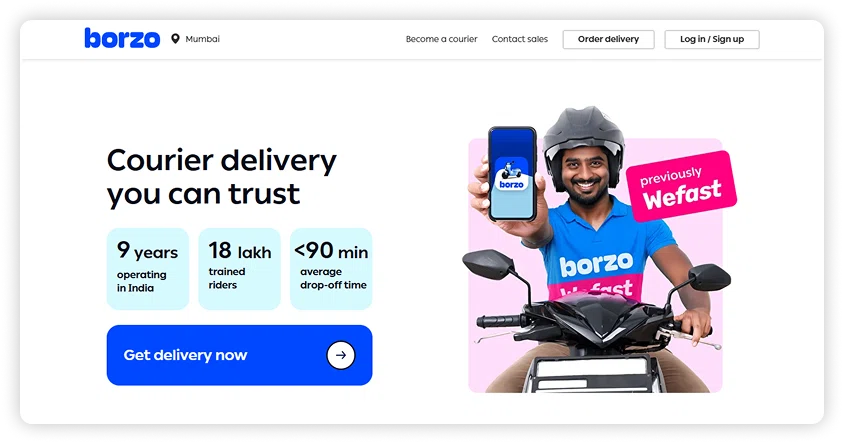
Borzo focuses on local and same-day delivery services.
The platform operates in multiple Indian cities and provides options for businesses and individuals requiring local courier services.
The model is particularly useful for retailers, small businesses, online sellers, and customers that need a parcel delivered within a city.
Key features include:
- Local courier booking
- Same-day delivery
- Express delivery
- Scheduled delivery
- Shipment tracking
- Business delivery services
Business takeaway: A startup can enter the courier market by solving a focused local delivery problem rather than competing nationally from day one.
6. Pidge
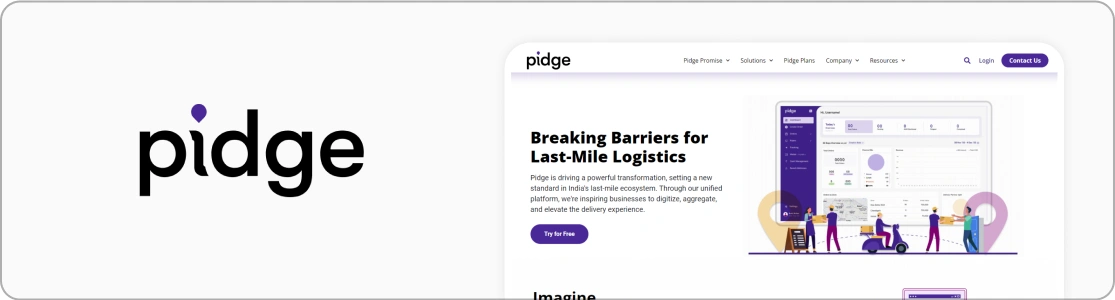
Pidge focuses heavily on delivery management and logistics orchestration.
Its platform supports order management, rider allocation, route planning, tracking, COD, delivery confirmation, and operational analytics.
This model is useful for businesses that need to manage their own delivery operations or coordinate multiple delivery partners.
Key features include:
- Order management
- Route planning
- Rider allocation
- Live tracking
- COD management
- Delivery confirmation
- Analytics
Business takeaway: There is an opportunity to build software around delivery operations, rather than operating only as a courier marketplace.
7. Porter
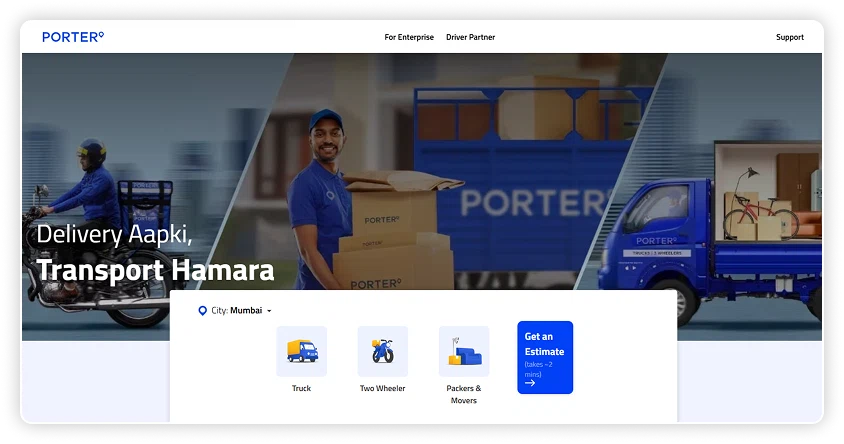
Porter focuses on goods transportation and local logistics.
Its model supports different vehicle categories, allowing customers to select transportation based on the size and nature of their goods.
This makes it relevant to businesses moving inventory, equipment, furniture, and other goods.
Key features include:
- Goods transportation
- Bike delivery
- Mini-truck booking
- Enterprise transportation
- Driver-partner management
- Local goods movement
Business takeaway: Multiple vehicle categories can help a delivery platform serve both small parcels and larger goods.
8. Shadowfax
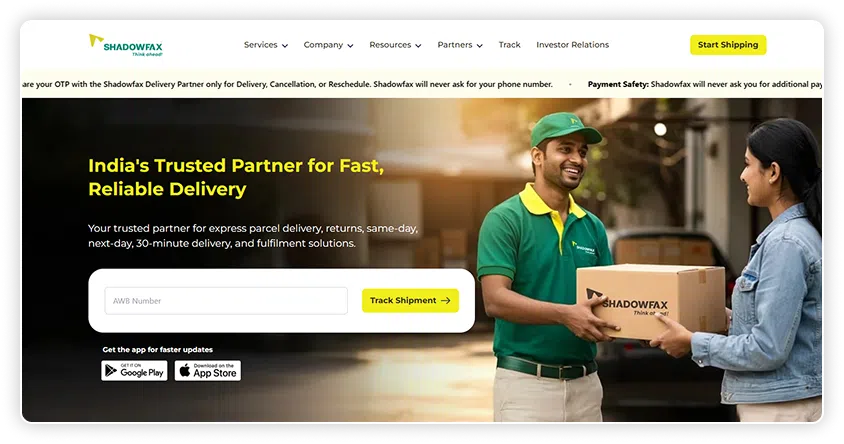
Shadowfax operates in last-mile delivery and logistics, with strong relevance to e-commerce businesses.
Its services include different delivery speeds and logistics workflows designed around online commerce and last-mile requirements.
The broader lesson is that a delivery business can expand into fulfilment, returns, and other logistics services once it has an established delivery network.
Key features include:
- Express delivery
- Same-day delivery
- Next-day delivery
- Last-mile delivery
- Reverse logistics
- Fulfilment
- Tracking
Business takeaway: Additional logistics services can increase the value of an established delivery network.
9. MOVER
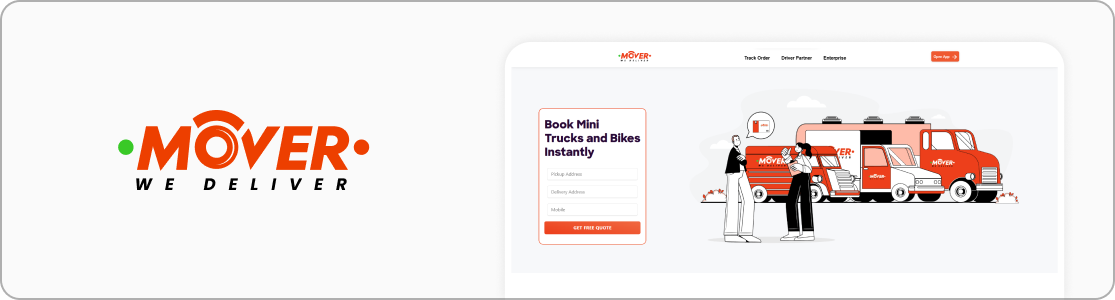
MOVER focuses on intra-city goods transportation using different vehicle types.
Its model is useful for businesses and customers that need to move parcels, inventory, furniture, equipment, or other goods.
A customer can select a vehicle according to the size of the shipment instead of using the same delivery method for every order.
Key features include:
- Two-wheelers
- Three-wheelers
- Mini trucks
- Pickup vehicles
- Larger commercial vehicles
- Intra-city transportation
Business takeaway: Vehicle-based delivery can create a broader marketplace than a traditional small-parcel courier app.
10. Vahak
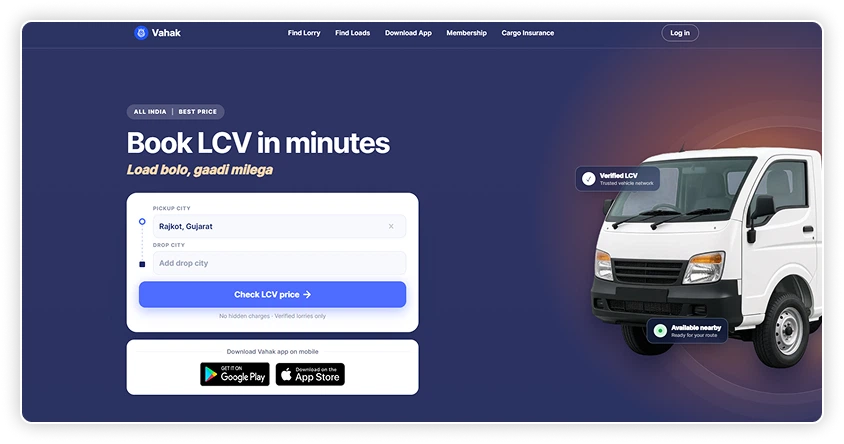
Vahak focuses on commercial transportation and freight.
Its marketplace connects transportation demand with truck and transporter capacity.
This is different from a conventional parcel delivery app because the primary requirement is commercial goods movement rather than small-package delivery.
Key features include:
- Load posting
- Truck discovery
- Transporter connections
- Commercial vehicle matching
- Freight movement
- Marketplace functionality
Business takeaway: A logistics marketplace can create value by connecting available transportation capacity with businesses that need it.
Comparing Courier Apps by Business Model
The right courier model depends on your target customers and resources.
If you want to combine courier services with other categories, a multi-service delivery app can support different delivery workflows from one platform.
| Factor | National Courier | Hyperlocal Courier | Bulk & Truck |
|---|---|---|---|
| Main focus | Parcel shipping | Local delivery | Goods and freight |
| Coverage | Multi-city | City/service zone | Local/intercity |
| Supply | Courier network | Riders/drivers | Commercial vehicles |
| Customers | Enterprises/e-commerce | Consumers/local businesses | B2B/fleet owners |
| Starting complexity | High | Medium | Medium-high |
A national model is suitable when you have access to a large logistics network.
A hyperlocal model is generally easier to test in one city.
A bulk logistics model makes more sense when you have experience with commercial vehicles, freight, or fleet management.
Key Features to Look for in a Courier Delivery App
The feature set should match your business model.
Customer App
- Registration and login
- Pickup and drop locations
- Parcel details
- Fare calculation
- Delivery scheduling
- Online payments
- Live tracking
- Notifications
- Order history
- Ratings and reviews
Delivery Partner App
- Partner registration
- Document verification
- Online/offline status
- Delivery requests
- Navigation
- Pickup confirmation
- Earnings tracking
- Delivery history
- Proof of delivery
Admin Panel
- Customer management
- Partner management
- Delivery management
- Pricing controls
- Commission management
- Payment management
- Service-area controls
- Cancellation management
- Reports and analytics
Business Features
For e-commerce and enterprise customers, consider:
- Bulk shipment creation
- API integration
- COD management
- Return management
- RTO handling
- Multiple pickup locations
- Business accounts
- Delivery reports
What Is Changing in Courier Delivery in 2026?
Courier delivery is becoming more technology-driven.
Businesses increasingly want visibility across the entire delivery journey rather than simply handing parcels to a courier company.
Tracking, automated notifications, route optimization, digital proof of delivery, COD reconciliation, and return management are becoming important parts of the software layer.
Another major change is the growth of specialized delivery models.
Businesses can now build platforms around same-day delivery, D2C shipping, retail delivery, document delivery, goods transportation, or commercial freight.
This creates opportunities for startups that focus on a specific customer problem instead of trying to compete with large national courier networks immediately.
The better approach is often to start with a clear niche, prove demand, and then expand the delivery network.
Which Courier Model Fits Your Business?
Your available resources should influence the model you choose.
| Business Situation | Suitable Model |
|---|---|
| Starting in one city | Hyperlocal |
| D2C business | Parcel/e-commerce logistics |
| Existing rider network | Hyperlocal delivery |
| Existing truck fleet | Goods transportation |
| B2B freight customers | Freight marketplace |
| Multi-city demand | National or hybrid model |
How to Build Your Own Courier Delivery App
There are two common development approaches.
Custom Courier App Development
Custom development gives you greater control over the application architecture, design, workflows, integrations, and future features.
It is useful for businesses with unique operational requirements.
However, building everything from scratch requires more development time, testing, planning, and ongoing maintenance.
White-Label Courier App
A white-label courier platform provides a pre-built foundation that can be branded and customized for your business.
White Label Fox's Delivery Anything platform includes customer, store, delivery-person, and admin components, with features such as tracking, route optimization, payments, delivery management, and other on-demand delivery workflows.
This approach can be useful for founders who want to validate their business idea without building every basic delivery function from zero.
Why Businesses Choose a White-Label Courier App
A white-label solution can reduce the amount of foundational software work required before launch.
Businesses can customize the platform around their brand, delivery categories, pricing, service locations, payment methods, partner workflows, and customer journey.
For example, a startup can initially launch courier delivery in one city and later expand into grocery, food, retail, or other delivery categories.
The key is not to copy another company's app blindly. The platform should be adapted to your own customers, operations, pricing, and supply model.
Common Mistakes to Avoid When Building a Courier App
1. Launching in Too Many Cities
Start with a market where you can build enough customer demand and delivery supply.
2. Building Too Many Features
Do not develop every possible delivery feature before validating your core service.
3. Ignoring Delivery Partner Supply
A courier app needs enough active riders or drivers to deliver orders on time.
4. Weak Tracking
Customers need clear visibility from pickup through delivery.
5. Poor COD Management
If your customers use COD, build proper collection, reconciliation, and settlement workflows.
6. Expanding Before Testing Unit Economics
Monitor delivery costs, customer acquisition, repeat orders, cancellations, partner earnings, and contribution margins before expanding.
7. Copying Another App Without Understanding Its Model
An app's visible features do not reveal the complete business model.
Study the target market, delivery supply, pricing, customer needs, and operating workflow before development.
Final Thoughts
The courier delivery market in India includes several business models, from national parcel networks to hyperlocal delivery platforms and commercial freight marketplaces.
The right model depends on your target customers, delivery area, available supply, vehicle network, and long-term business strategy.
If you are starting a local courier business, a hyperlocal model may be easier to validate. If you already operate a fleet, goods transportation may be a better opportunity. E-commerce businesses may need a combination of parcel delivery, tracking, returns, and fulfilment.
Technology should support that business model rather than define it.
A white-label courier delivery platform can provide a practical starting point for founders who want to launch a branded delivery business while avoiding the need to build every core component from scratch. The platform can then be customized around the company's delivery categories, service areas, customers, and operational requirements.
FAQs About Courier Delivery Apps in India

Viral Kacha - CEO & Sales Head
Author
With years of expertise in the on-demand app industry, Viral Kacha leads White Label Fox with a vision to empower startups and enterprises with top-tier, ready-made app solutions. His strategic approach, strong leadership, and deep market understanding drive business growth, innovation, and client success. He is dedicated to helping businesses scale efficiently with cutting-edge technology.